
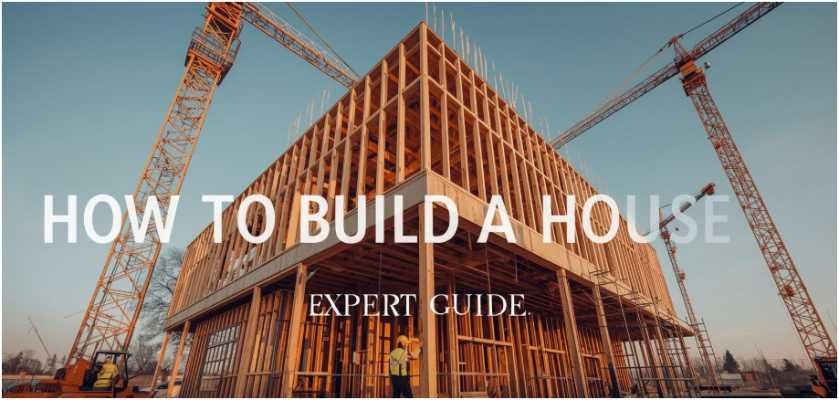
Building a house is one of the biggest personal projects most people ever take on. As someone who has seen dozens of builds from blueprint to final walk-through, I’m going to walk you through exactly how to build a house—what happens first, how long each stage takes, who you need on your team, and how to avoid the common pitfalls that slow construction or blow budgets.
Whether you’re designing your dream residence or building an investment property, understanding these steps ensures a smoother, faster, and more cost-efficient process. The more informed you are, the better equipped you’ll be to make smart decisions at every step.
Clear planning from day one makes the build more manageable and prevents expensive surprises later. By the end of this guide, you’ll feel confident navigating each stage of construction like someone who has done it before.
Step 1: Secure Land and Financing
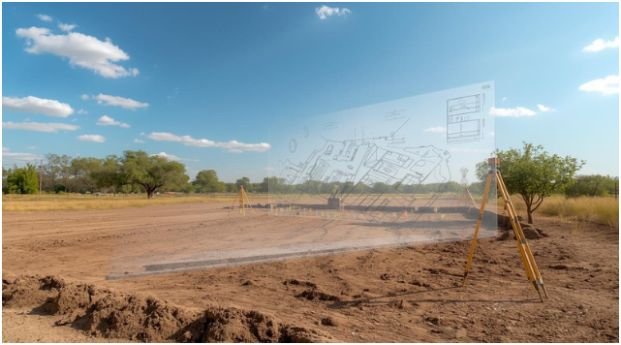
Before even thinking about concrete or bricks, you need:
- A suitable plot of land
- Verified land title and zoning classification
- Access to utilities (water, sewage, power)
- Budget and loan approval if needed
In many regions, construction loans are issued in phases — funds are released as building milestones are achieved.
Expert tip: Always account for:
- Land cost
- Build cost
- Permits and inspection fees
- Outdoor works (driveway, fencing, landscaping)
- Taxes and contingencies
A safe reserve is +10–15 percent of your expected budget.
Step 2: Design the Home with an Architect or Designer
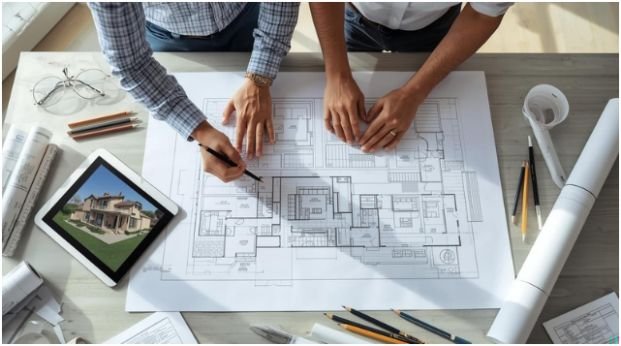
Now you create the plan that brings your vision to life.
This includes:
- Floor layout
- Structural drawings
- Window and door placement
- Electrical and plumbing layout
- Aesthetic choices (roof style, façade, materials)
This is when architects and structural engineers ensure the design is both beautiful and structurally safe.
Expert tip: Get multiple design revisions. It’s cheaper to fix issues on paper than in concrete.
Step 3: Permits, Approvals, and Legal Compliance
You generally need approvals for:
- Structural plans
- Environmental clearance (in some areas)
- Water & sewage connections
- Electrical connection
- Fire safety (for larger or urban properties)
- Noise and zoning compliance
Skipping this step leads to fines—or worse—demolition.
Step 4: Hire the Right Construction Team

Your build depends on the professionals you choose:
- General contractor or builder
- Project manager (optional but recommended)
- Sub-contractors:
- mason teams
- carpenters
- plumbers
- electricians
- roofers
- tiling and finishing specialists
Take your time hiring. Ask for:
- References
- Previous site photos
- Timeline commitment
- Warranty on workmanship
Step 5: Site Preparation and Foundation
Now the building begins.
This stage includes:
- Site clearing
- Ground leveling
- Soil tests
- Foundation layout
- Excavation
- Pouring footings and slab (or basement structure)
A strong foundation ensures long-term structural integrity.
Average time: 1–3 weeks depending on soil type and weather.
Step 6: Framing and Superstructure
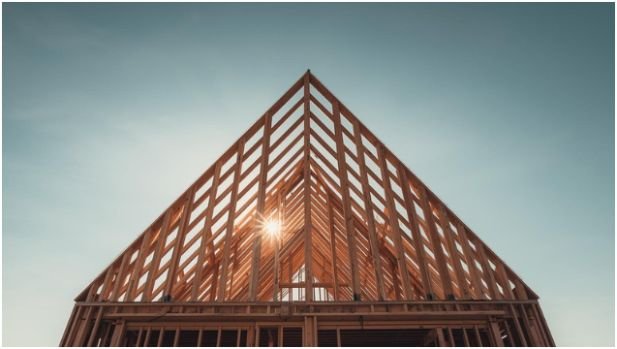
Your home’s skeleton goes up:
- Structural beams
- Walls
- Floors
- Roof structure
This is when you’ll physically “see” shape emerging.
Expert tip: Walk through the framing stage with your builder—this is your last chance to correct layout changes before wiring and insulation go in.
Step 7: Roofing, Plumbing, Electrical, HVAC, Insulation
This is the utilities stage.
Professionals install:
- Electrical wiring
- Switchboards and conduits
- Drainage pipes
- Water supply pipes
- Heating/cooling systems
- Insulation layers
Compliance matters here — especially for electrical safety.
Step 8: Exterior and Interior Finishing
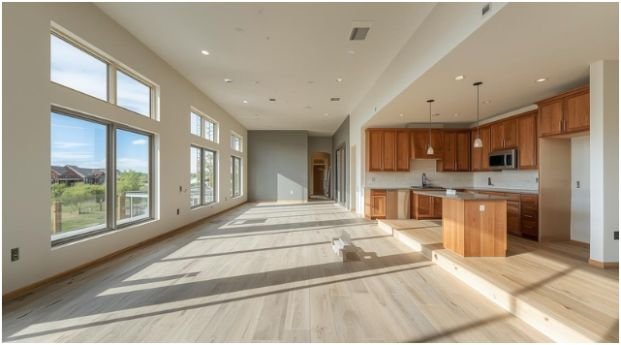
This is where it becomes a home instead of a construction site.
Includes:
- External plastering or cladding
- Window and door installation
- Interior plastering
- Flooring
- Kitchen cabinets
- Countertops
- Wardrobes
- Bathroom fixtures
Expert tip: Invest more in doors, windows, and insulation—these affect energy efficiency and comfort for decades.
Step 9: Painting, Fixtures, and Final Touches
You choose:
- Paint colors
- Lighting fixtures
- Switch plates
- Faucets
- Fans
- Decorative hardware
This is also when final sealing, waterproof coatings, and interior polish are applied.
Step 10: Final Inspection and Occupancy Certificate
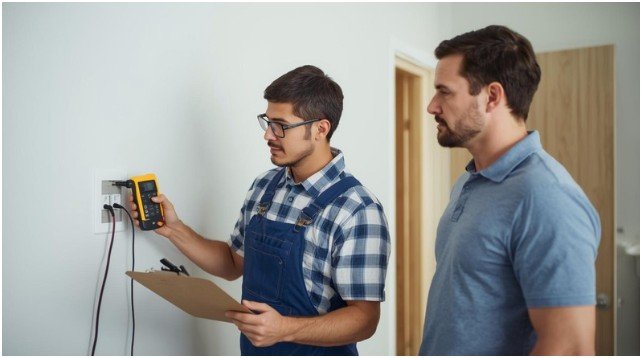
A final walk-through checklist is performed to address:
- Misalignments
- Tile imperfections
- Electrical testing
- Tap and pipe leaks
- Window sealing
- Paint touch-ups
Once approved, authorities issue the Occupancy Certificate, legally marking the home fit for living.
House Construction Stages: Quick Comparison Table
| Stage | What Happens | Who Is Involved | Avg. Duration |
| Land & Financing | Plot purchase & loan | Owner, bank | 1–4 weeks |
| Design | Drawings & planning | Architect & engineer | 2–8 weeks |
| Permits | Legal approvals | Owner, local authority | 2–6 weeks |
| Foundation | Excavation & concrete | Builders | 1–3 weeks |
| Framing | Walls & structure | Carpenters, masons | 2–4 weeks |
| Utilities | Wiring, plumbing, HVAC | Electricians, plumbers | 2–4 weeks |
| Finishing | Flooring, fittings | Multiple specialists | 4–10 weeks |
| Inspection | Final checks | Authorities & owner | 1–2 weeks |
How Long Does It Take to Build a House?
Typical total timeline: 5–12 months
Depends on:
- Size of home
- Complexity of design
- Material availability
- Weather
- Labor availability
- Local regulatory speed
In some regions, rapid-build or prefab systems can shorten timelines dramatically, while custom architectural projects may take longer.
Common Mistakes to Avoid When Building a House
- Choosing the cheapest contractor rather than the best one
- Ignoring sun orientation and ventilation
- Not planning storage spaces early
- Cutting budget on insulation and waterproofing
- Rushing the finishing phase
- Not having a contingency budget
- Not visiting the site frequently
FAQs About How to Build a House
1. How much does it cost to build a house?
Costs vary dramatically by region, materials, and home size. On average, building may cost 10–30 percent less than buying an equivalent pre-built home—but that varies widely.
2. Should I hire a project manager or supervise personally?
A project manager ensures supplier coordination, labor scheduling, and quality control. If you don’t have construction experience or time, hire one.
3.Is building a house cheaper than buying one?
Often yes—but only if:
- planning is accurate
- delays are minimized
- material choices are reasonable
- scope creep is controlled
4. Can I make changes during construction?
Yes, but changes after framing or wiring significantly increase cost and time. Finalize plans early.
5. What materials are best for building a house?
This depends on the climate. For example:
- Hot climates benefit from insulated walls and reflective roofing
- Humid climates require moisture-resistant materials
- Cold regions need stronger thermal insulation
Final Thoughts
Building your own house is a journey that transforms an empty plot into a personal sanctuary. With proper planning, the right professionals, and a clear understanding of each stage, the process becomes far more approachable and rewarding.
A well-built home is more than a structure—it’s a space that reflects your lifestyle, comfort, and values for years to come. Taking an informed, proactive role in the process ensures that the result truly feels like yours.