
Water treatment systems play a critical role in ensuring access to clean and safe water for a variety of applications, including industrial, municipal, and residential use. With increasing demands driven by population growth, environmental challenges, and regulatory requirements, innovations in water treatment systems have become essential.
Recent advancements are enhancing efficiency, reducing costs, and minimising environmental impact. This article explores the latest innovations in water treatment systems and their implications.
Advancements in Filtration Technologies
One of the core components of water treatment systems is filtration. Emerging technologies are improving the effectiveness of filters, allowing for the removal of smaller contaminants such as microplastics, pharmaceutical residues, and pathogens. Innovations include membrane filtration methods like ultrafiltration and nanofiltration, which are now being integrated into compact, energy-efficient units. These advancements provide higher-quality water output while reducing operational costs.
Integration of Smart Monitoring and Automation
Modern water treatment systems increasingly incorporate smart sensors and automated controls. This allows for real-time monitoring of water quality parameters such as pH, turbidity, and chemical concentration. Automated adjustments optimise the treatment process, improving reliability and reducing the need for manual intervention. Such systems can detect anomalies quickly, preventing potential system failures or contamination events.
Eco-Friendly Chemical Treatment Solutions
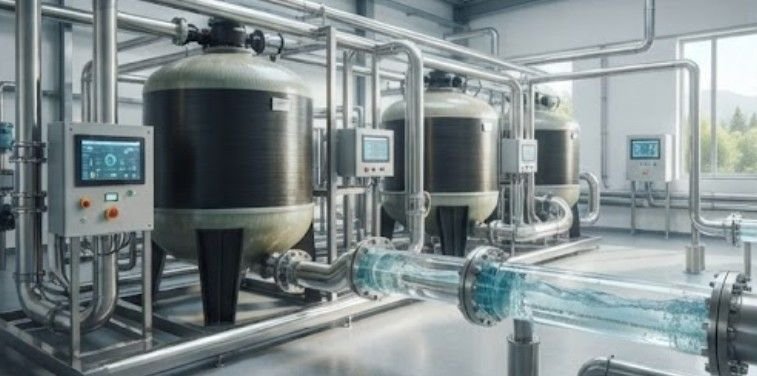
Traditional chemical treatments in water treatment systems often involve the use of substances that can have environmental impacts. Recent innovations have led to the development of eco-friendly alternatives that maintain effectiveness while reducing harmful residues. For example, enzyme-based treatments and green oxidants are gaining traction as sustainable options, aligning with stricter environmental regulations and public demand for greener solutions.
Advanced Oxidation Processes
Advanced oxidation processes (AOPs) represent a significant innovation in water treatment systems. These methods use reactive species such as hydroxyl radicals to break down complex organic pollutants that are difficult to remove with conventional treatments. AOP techniques, including ozonation and photocatalysis, are particularly useful in treating wastewater with pharmaceuticals and personal care products, enhancing the safety of discharged water.
Energy Efficiency Improvements
Energy consumption is a critical consideration in the operation of water treatment systems. Innovations aiming to reduce energy use include the adoption of renewable energy sources, energy recovery technologies, and optimisation of process flow. For instance, energy-efficient pumps and motors, combined with intelligent control systems, help to significantly decrease the carbon footprint of treatment plants.
Modular and Scalable System Designs
Flexibility is increasingly important in water treatment, particularly for small communities and industries with variable water demands. Modular and scalable system designs allow for phased installation and easy expansion. This approach reduces initial capital costs and permits systems to adapt to changing requirements, while maintaining treatment effectiveness. Property projects can also face common real estate disputes.
Utilisation of Artificial Intelligence and Machine Learning
Artificial intelligence (AI) and machine learning (ML) are being employed to optimise water treatment systems. These technologies analyse vast amounts of data to predict maintenance needs, optimise chemical dosing, and enhance treatment performance. AI-driven models improve decision-making, leading to improved operational efficiency and cost savings.
Biological Treatment Enhancements
Biological treatment processes use microorganisms to degrade organic pollutants. Recent innovations include engineered biofilms and specialised microbial consortia that increase treatment speed and robustness. These enhancements enable the treatment of complex wastewaters while reducing sludge volume and disposal costs.
Remote Access and Cloud-Based Management
Remote monitoring and cloud-based management systems provide operators with greater control over water treatment processes. Such platforms facilitate data collection, reporting, and optimisation from any location, enabling timely interventions and improved regulatory compliance. These systems are particularly useful for managing multiple treatment sites efficiently.
Solar-Powered Water Treatment Solutions
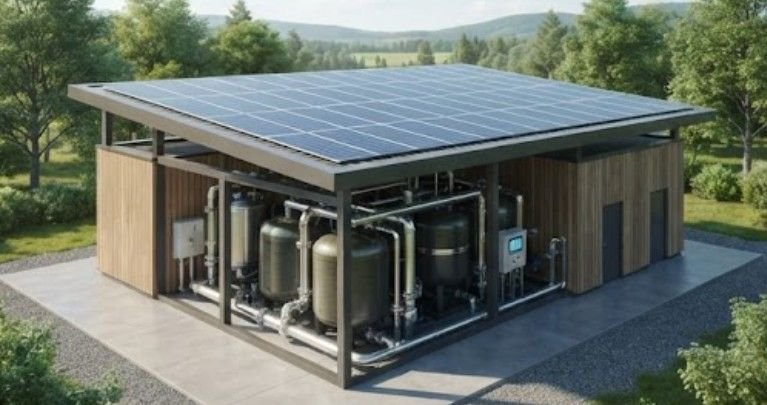
Solar-powered water treatment technologies are gaining attention, especially in off-grid and remote areas. These systems combine solar photovoltaic panels with advanced water treatment technologies to provide sustainable and reliable access to clean water. Innovations focus on improving energy storage, system durability, and treatment capacity.
Improved Wastewater Reuse Technologies
Water scarcity has driven innovations in wastewater reuse. New treatment methods enable the safe recycling of treated wastewater for non-potable and even potable applications. Membrane bioreactors (MBRs) and advanced disinfection methods ensure the removal of contaminants, supporting sustainable water management.
Smart Infrastructure and IoT Integration
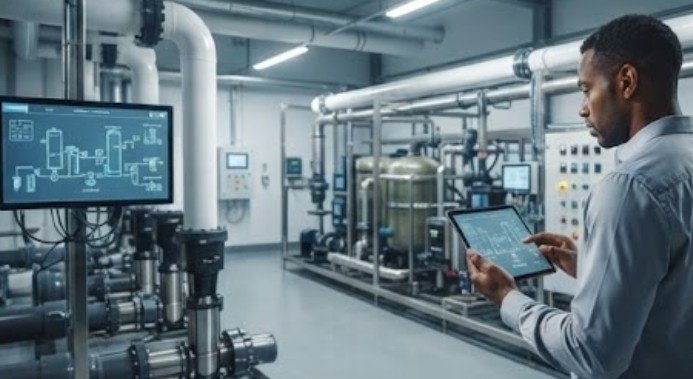
Integration of the Internet of Things (IoT) within water treatment infrastructure provides enhanced connectivity and data sharing capabilities. Smart devices and sensors embedded in treatment systems transmit data for analysis, predictive maintenance, and system optimisation. This interconnectivity improves overall system resilience and asset management.
Emerging Materials in Water Treatment Systems
New materials with improved properties are being developed for use in water treatment systems. These include nanomaterials that enhance adsorption and filtration, and corrosion-resistant coatings that extend equipment lifespan. Advances in material science contribute to improved treatment efficiency and reduced maintenance.
Reduction of Chemical Usage Through Innovative Processes
Innovations also focus on minimising the use of chemicals in water treatment. Techniques such as electrocoagulation and magnetic separation are being explored as alternatives to traditional chemical dosing. These methods reduce sludge generation and chemical handling hazards, improving operational safety and environmental outcomes.
Customised Solutions for Industry-Specific Needs
Water treatment requirements vary significantly across industries. Innovations now enable the development of customised systems tailored to specific contaminants and volumes. Such targeted solutions enhance treatment efficacy while optimising resource use, benefiting industries such as mining, food processing, and pharmaceuticals.
Conclusion
The continuous development of water treatment systems demonstrates a strong commitment to addressing the challenges of water quality, resource scarcity, and environmental sustainability. By incorporating advanced filtration, smart automation, eco-friendly chemicals, and AI, these innovations offer significant improvements in efficiency and environmental impact. As water demands continue to rise, the adoption of new technologies will be instrumental in ensuring safe and sustainable water management worldwide.