


Are you feeling overwhelmed by debt? It’s an all-too-common feeling — but what if I told you that getting out of debt doesn’t have to be as intimidating as it seems? In fact, with the right strategy and a bit of planning, you can take control of your financial life and work your way to a debt-free future. It doesn’t require magic, and it doesn’t have to be painful.
The problem is, most of the advice out there is one-size-fits-all — telling you to do what works for everyone else. But you are not everyone else. Your life, income, and spending patterns are unique, and so should be your debt repayment plan.
In this guide, I’m going to walk you through a personalized, step-by-step approach that’s designed for you, your goals, and your financial situation. You’ll not only learn how to tackle your debt but how to make a plan that sticks — something you can easily maintain and feel good about as you see your balance get smaller each month.
1. Get Real: Assess Your Total Debt
The first step in creating a plan that works for you is understanding exactly what you’re up against. This isn’t just about listing your debts — it’s about understanding the full picture. Here’s how you can do it:
- Creditor Name: Write down all your creditors (credit cards, student loans, car loans, etc.).
- Total Amount Owed: How much do you owe each creditor?
- Interest Rate: Be sure to note the interest rates, especially for credit cards, which can be high.
- Minimum Payment: Write down the minimum payments required each month.
- Due Dates: List all due dates to stay on track with your payments.
Once you have all this information in one place, you’ll get a better idea of which debts are costing you the most and which ones you should prioritize. Use a debt tracker app like Mint or a simple spreadsheet to stay organized.
2. Understand and Organize Your Budget

Your debt repayment plan is only as strong as your budget. Without a clear picture of your income and expenses, it’s hard to figure out how much you can put toward your debt each month. Here’s what you need to do:
Step 1: Calculate Your Net Income
First, find out how much money you have coming in after taxes — this is your net income. Knowing this helps you understand your starting point.
Step 2: List Your Fixed Expenses
Next, write down all your essential expenses: rent/mortgage, utilities, groceries, transportation, insurance, etc. Subtract this from your net income, and what you’re left with is your debt capacity — the amount you can allocate toward paying off debt each month.
Step 3: Identify Extra Spending
If you find you don’t have much left over for debt, cut back on non-essentials. Track your spending with apps like YNAB (You Need a Budget) to catch any leaks in your budget and reallocate that money toward paying down debt.
3. Choose the Right Repayment Strategy
There’s no one-size-fits-all when it comes to paying off debt. The strategy you choose depends on your personality and what will keep you motivated. Here are the two most popular options:
❖ Debt Snowball Method
With the debt snowball method, you start by paying off your smallest debt first while making minimum payments on everything else. Once that debt is paid off, you move to the next smallest. This method gives you quick wins and boosts your confidence.
Best for: People who need psychological wins and motivation to keep going.
❖ Debt Avalanche Method
This method prioritizes paying off the highest-interest debts first. You still make minimum payments on the others, but your focus is on eliminating the debt that’s costing you the most in interest.
Best for: People who want to save money on interest and don’t need quick wins.
❖ Hybrid Approach
A hybrid approach can mix both methods. You might start with a small debt to build motivation, and then switch to focusing on high-interest debts. This gives you the best of both worlds.
4. Build Your Payment Flow

Now that you’ve selected a strategy, it’s time to create a payment flow that works for you:
Step 1: Always Pay Minimums
Make sure you’re paying the minimum amount due on every debt to avoid penalties and damage to your credit score.
Step 2: Focus on One Debt
Based on your chosen method, allocate any extra money toward the debt you want to pay off first.
Step 3: Automate Payments
Set up automatic payments for both minimums and extra payments. Automating payments ensures you never miss a due date and keeps you on track.
5. Track Progress — and Celebrate Wins
Seeing your balance decrease is one of the most motivating parts of paying off debt. Make sure you track your progress regularly, and celebrate small milestones like paying off your first debt or hitting 25% paid off.
Tip: Visual Progress
Use tools like Debt Payoff Planner to see your progress visually. A graph that shows your decreasing balance can keep you motivated and remind you of how far you’ve come.
6. Adjust Your Plan When Life Changes
Life is unpredictable — and your debt repayment plan should be flexible. If you get a bonus, tax refund, or side hustle income, use that extra money to accelerate your debt repayment. Likewise, if unexpected expenses come up, adjust your payment plan.
Tip: Don’t Abandon Your Plan
If life throws you a curveball, just adjust — don’t abandon your plan. Even small, consistent payments are progress.
7. Avoid Debt Pitfalls Going Forward
Once you’ve paid off your debt, you want to stay out of it for good. To ensure you don’t slip back into bad habits:
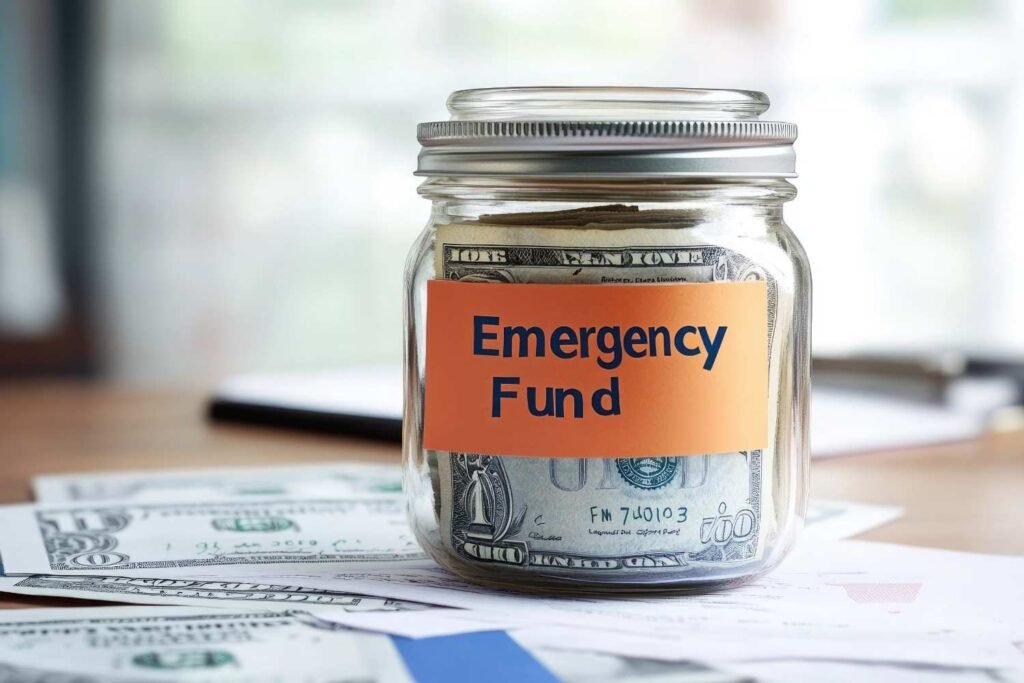
- Build an emergency fund so you don’t have to rely on credit when unexpected costs arise.
- Be cautious with credit cards. Pay off any balances every month to avoid racking up more debt.
- Revisit your budget regularly to ensure you’re on track and living within your means.
Frequently Asked Questions
1. What’s the best method for paying off debt?
The Debt Snowball method is great for quick wins, while the Debt Avalanche method saves more in interest over time. Choose the method that keeps you motivated.
2. Can debt consolidation help me?
Debt consolidation can be a good option if it lowers your interest rates and simplifies payments. But compare options carefully, as it may come with fees.
3. What should I do if I can’t make my payments?
Don’t ignore the issue — contact your creditors. You can often negotiate a hardship plan or reduced payments, and non-profit credit counseling can offer support.
Your Debt-Free Journey Starts Now — Don’t Wait Another Day
Debt doesn’t define you. It’s a temporary challenge that can be overcome with the right mindset and a solid plan. You have the power to make that plan work for you. It’s time to take action and start your journey toward financial freedom today.
Remember, it’s not about perfection — it’s about consistency. No matter how small the step, it’s a step in the right direction.
