

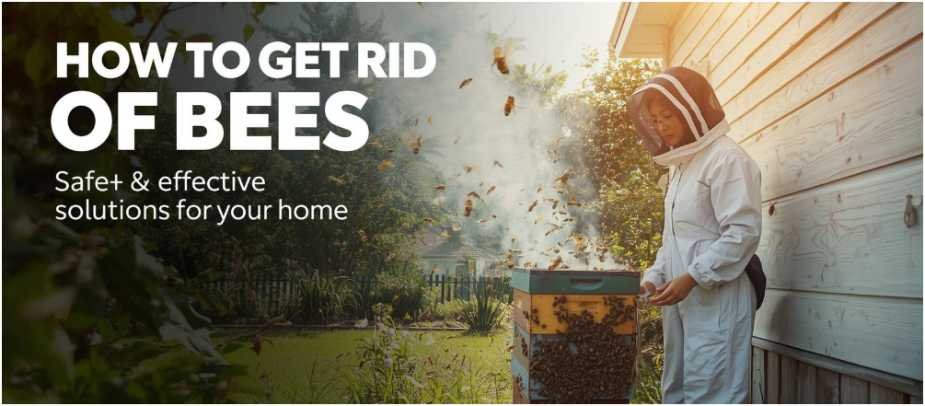
Bees are essential to our ecosystem, but that doesn’t mean you want them swarming around your home, patio, or attic. As someone who has researched and worked with multiple bee control specialists and beekeepers, I’ll walk you through safe, natural, effective options—and when you should absolutely call a professional.
The goal here isn’t just getting rid of bees, but doing so responsibly, humanely, and with long-term prevention in mind. Understanding their behavior and what attracts them helps you prevent future infestations and avoid repeating the same cycle year after year.
Understanding Why Bees Appear in the First Place
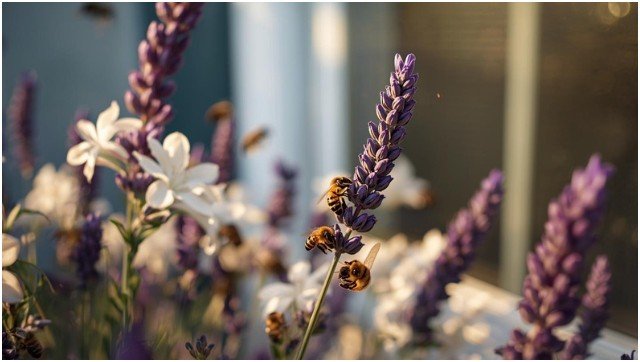
Before trying to get rid of bees, it’s useful to understand why they’re hanging around your space. Bees typically show up when they find a promising environment for food or nesting. If you eliminate the attractors, you drastically reduce future infestations and avoid re-emergence of colonies.
- Sweet food or drink outdoors
- Flowering bushes or fruit trees near entrances
- Available nesting cavities (holes, vents, eaves)
- Exposed wood (carpenter bees)
- Undisturbed soil (ground bees)
Natural and Non-Lethal Ways to Get Rid of Bees
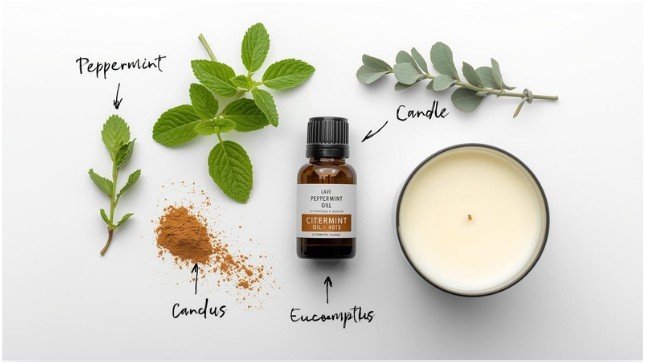
These are the best first-line solutions because they repel bees instead of killing them. They’re safe for pets, kids, gardens—and the greater environment.
Use Bee-Repelling Scents
Bees rely heavily on scent, and certain strong smells deter them. Try:
- Mint plants or peppermint oil around doors and windows
- Citronella candles around outdoor seating
- Eucalyptus or thyme in garden beds
- A vinegar-water spray (1:1 ratio)
- Cinnamon sprinkled around hive entrances
These methods don’t kill bees—they simply encourage them to relocate to a different area.
Seal Off Entry Points to Your Home
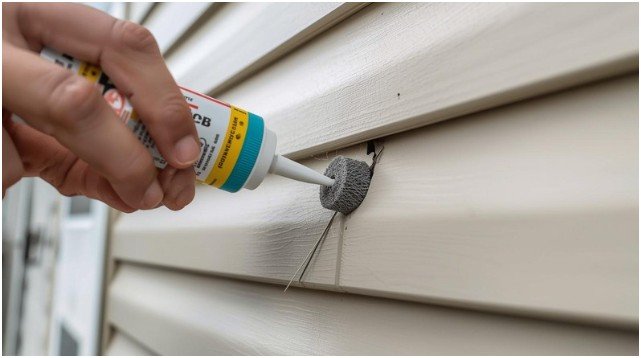
Bees seldom enter homes by accident—they follow cracks, holes, and access points. Sealing these off dramatically reduces the chance of indoor hive development.
Check and seal:
- cracks in siding
- attic vents
- gaps in shutters
- damaged soffits
- breaks in roofline
Steel wool combined with caulk works extremely well for sealing small bee-sized holes.
Move Attractive Flora Away from the House
If you have highly fragrant flowering plants positioned near windows or seating areas, that is practically an open invitation for bees. Moving these plants even 10–15 feet away can reduce the likelihood of colonies forming nearby.
Flowers that attract bees include:
- lavender
- roses
- citrus
- jasmine
- fruit trees
Lethal Bee Removal Methods (Only If Necessary)

I am not encouraging bee killing—but if safety requires it (allergies, aggressive colony, tight quarters), here are effective methods.
Soapy Water Spray
Mix dish soap with water and spray directly onto exposed swarms. It blocks their spiracles (breathing organs), causing suffocation within seconds. This method is most effective for:
- ground bees
- carpenter bees
- temporary outdoor clusters
Not suitable for large honeybee hives and deeply protected colonies.
Pesticide Dust
Pesticide dust is applied at the hive or nest entrance. Bees track it inside as they groom and move, spreading it through the colony. Use only when:
- relocation is impossible
- bees pose a legitimate danger
- professional removal is not accessible
Always read safety guidelines and follow local regulations.
When to Call a Professional
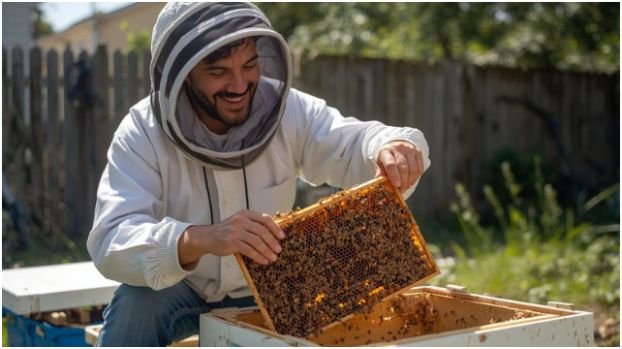
Sometimes, dealing with bees is beyond DIY solutions. That’s when expert help is the safest option.
Local Beekeeper
Ideal for honeybees. They can:
- extract the hive
- relocate the bees
- preserve the colony
Some beekeepers even offer free removal depending on the situation.
Pest Removal Specialist
Call when:
- the hive is deep inside walls
- the colony is aggressive
- multiple swarms keep appearing
- someone in the home is allergic
Professionals have suits, tools, and equipment that the average person does not.
Different Types of Bees Require Different Solutions
Here’s a quick reference comparing bee types and what to do.
| Bee Type | Where They Live | Level of Danger | Best Solution |
| Honey bees | Hives in walls, trees, roofs | Low unless provoked | Call a beekeeper |
| Bumblebees | Ground or structure cavities | Very low | Leave them; temporary |
| Carpenter bees | Burrowing into wood | Structural risk | Seal wood, use repellents |
| Ground bees | Holes in dry soil | Low | Soapy water or relocate |
| Wasps (not bees) | Paper nests | High | Professional removal |
Many people think they have bees—when they actually have wasps. The removal approach is very different.
Preventing Bees from Returning
Once removed, keep them away by:
- sealing cracks
- painting or varnishing bare wood
- covering garbage securely
- storing sweet foods inside
- installing fine mesh screens on vents
Bees are persistent, especially if your property has hosted colonies before. Prevention is just as important as actual removal.
What You Must Never Do
Some actions are not only ineffective—but dangerous.
- Never pour gasoline or motor oil into a hive
- Never burn a hive
- Never seal hive entrances with live bees inside
- Never disturb bees during peak daylight activity
These actions can lead to aggressive swarming and serious injury.
FAQs
1. How do I get rid of bees without killing them?
Use peppermint oil, vinegar spray, citronella, or plant mint/eucalyptus. Also contact a beekeeper for relocation.
2. Will bees eventually go away on their own?
Some species like bumblebees will leave after the season ends. Honeybees typically won’t—they establish long-term colonies.
3. Does smoke work to get rid of bees?
Smoke calms bees and pushes them to move temporarily—but it won’t eliminate a hive.
4. Is it illegal to kill bees?
In some areas, yes—especially protected honeybee populations. Always check local regulations.
5. I’m allergic to bees—what should I do?
Do not attempt removal yourself. Call professionals immediately.
Final Thoughts: Responsibly Handling Bees Around Your Home
Learning how to get rid of bees effectively means knowing when to use natural methods, when to physically block access points, and when to let professionals step in.
Bees are vital pollinators and play a major role in food production and ecological balance, so eliminating them should always be the last resort.
With the right combination of deterrence, prevention, and smart intervention, you can protect both your household and the bee population in a responsible and sustainable way.
