


If you’ve ever needed a mask for a costume, a school project, a play, a themed party, or simply for fun creativity, you’ve probably wondered how to make a mask easily at home. As someone who works extensively with DIY crafting, costume design, and instructional art projects, I’ll walk you through the best methods, from the simplest paper design to durable papier mâché and even a quick cloth mask you can make in minutes.
This guide is designed to be practical, approachable, and detailed, so whether you’re working with children, making something artistic, or crafting something functional, you’ll find a method that works.
Materials You May Use
Before we begin, here’s a general checklist of items that commonly come in handy:
- Paper or cardstock
- Aluminum foil
- Masking tape
- Newspaper
- Glue or flour paste
- Bandanas or cotton cloth
- Elastic or ribbon
- Scissors
- Pencil
- Paints and embellishments
- Hole puncher
You won’t need all of these at once — the materials vary by method.
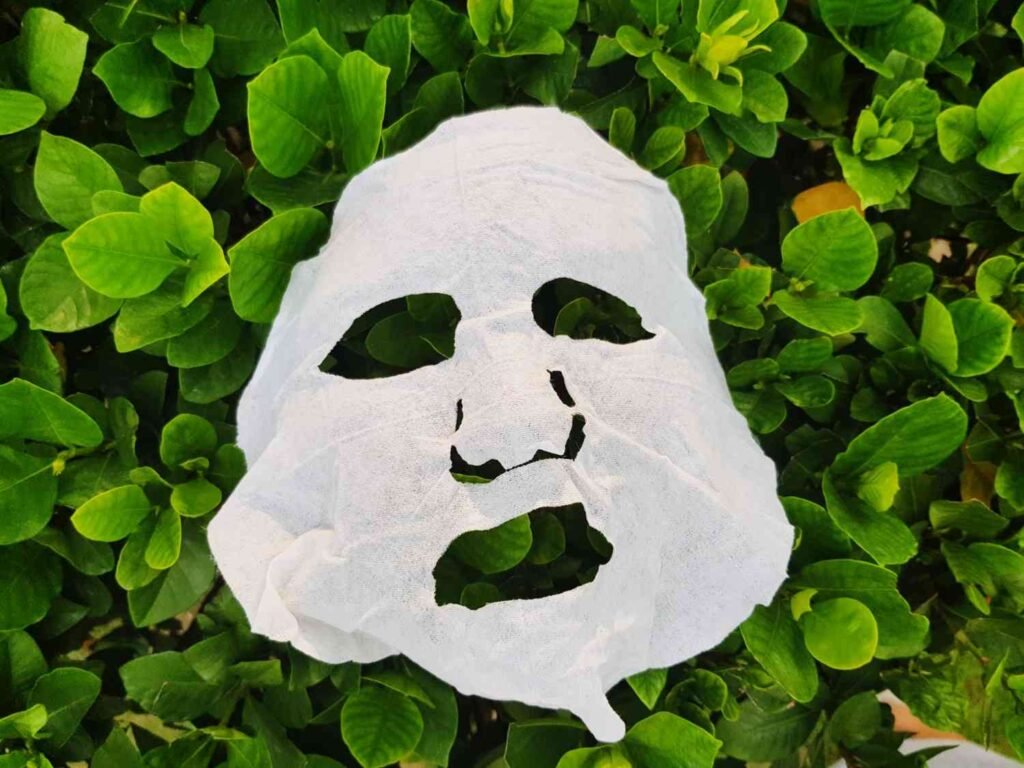
Method 1: How to Make a Simple Paper Mask (Fast & Beginner-Friendly)
Materials
- Paper or cardstock
- Measuring tape
- Pencil
- Scissors
- Ribbon or elastic
- Decorations (paint, markers, glitter, feathers, etc.)
Steps
- Measure Your Face
- Cut a Mask Base
- Create Eye Shapes Symmetrically
- Cut and Unfold
- Add Curvature
- Decorate
- Attach Ribbon or Elastic
Paper masks are lightweight, customizable, and quick — great for classrooms, kids, and DIY events.
Method 2: How to Make a Papier Mâché Mask (Durable & Professional)

Materials
- Aluminum foil
- Masking tape
- Newspaper strips (1-inch wide)
- Papier mâché paste
- Scissors
- Paint
- Sealant
- Elastic or string
Steps
- Create a Foil Face Mold
- Refine Facial Shape
- Apply Papier Mâché
- Add Custom Details
- Prime and Paint
- Seal the Surface
- Attach Wearing Straps
This takes longer, but the results are visually impressive and long-lasting. With paint, texture, and structure, papier mâché masks can feel almost theatrical or museum-grade.
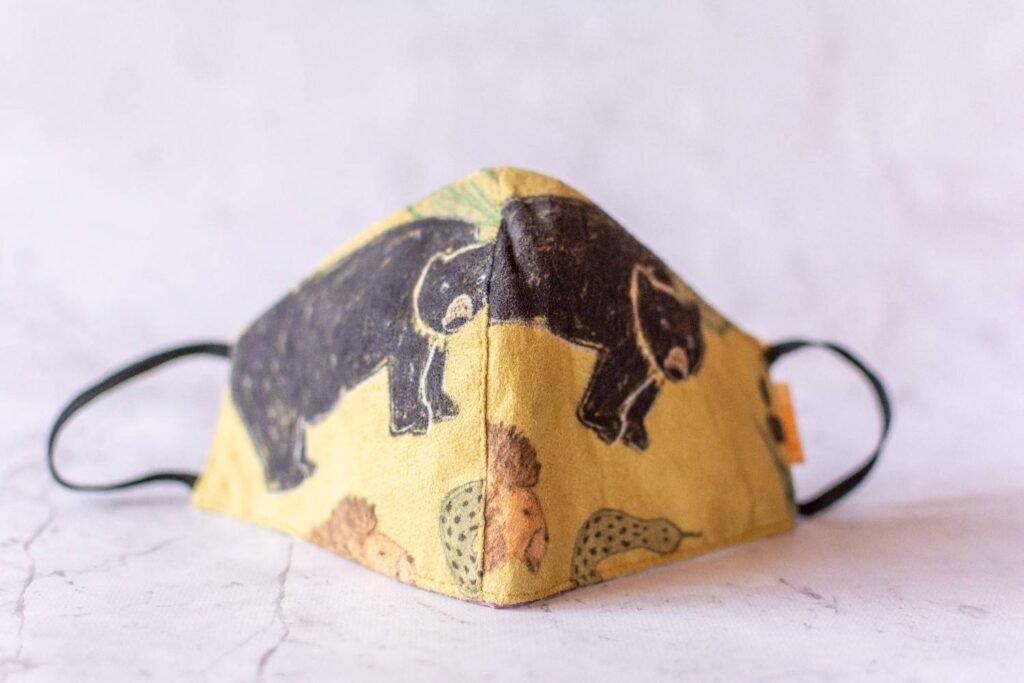
Method 3: How to Make a No-Sew Cloth Mask (Functional & Fast)
Materials
- A bandana or cotton cloth
- Two hair ties or rubber bands
Steps
- Lay the Cloth Flat
- Fold Top and Bottom Toward Center
- Fold Again
- Add Ear Loops
- Tuck the Ends Inward
- Wear
This method is fast, washable, and reusable.
Mask Types Compared: Quick Reference Table
| Mask Type | Difficulty | Time Required | Durability | Best For | Customization Level |
| Paper Mask | Easy | 10–20 min | Low | Quick costumes & kids | High |
| Papier Mâché | Moderate | 1–2 days | High | Theatre & cosplay | Very High |
| No-Sew Cloth | Very Easy | 2 min | Moderate | Basic face covering | Low |
Expert Tips for Success
Improve Fit
- Cut eye holes larger than you think.
- A slight curvature in paper masks dramatically improves wearability.
Improve Strength
- Use cardstock for better support in paper masks.
- Let each papier mâché layer fully dry before adding another.
Improve Appearance
- Always prime before painting a papier mâché mask.
- Metallic accents and layered paint tones add realism and depth.
Safety Considerations
- Never papier mâché directly on skin.
- Ensure the mask is breathable if worn for extended periods.
Common Mistakes to Avoid
- Eye holes cut too small
- Paper mask without curvature
- Over-saturated papier mâché strips
- Rushed drying
- Decorations that are too heavy
- Elastic tied too tight
Frequently Asked Questions
1. What’s the best mask type for kids to make?
A simple paper mask — fun, low-risk, and endlessly customizable.
2. Can I use magazine paper for papier mâché?
You can, but newspapers absorb paste much better.
3. How long does papier mâché take to dry?
20–60 minutes per layer, depending on humidity.
4. Can I reuse a cloth mask?
Yes — cloth masks are washable and reusable.
5. What paint works best for masks?
Acrylic paint is ideal for both paper and papier mâché masks.
Final Thoughts: Creativity, Expression, and Practical Use
Knowing how to make a mask opens up endless creative possibilities. Whether you’re crafting for fun, for artistic expression, for costuming, or for basic face coverage, the method you choose should match your intentions. A paper mask is fast and playful, a papier mâché mask is artistic and long-lasting, and a cloth mask is practical and comfortable. Mask-making has been part of cultural storytelling, theatre, and ritual for centuries, and today, it’s still an empowering form of personal creativity. Master the basics and you’ll soon be designing masks that feel like professional pieces.
