


If you’ve been researching how to start a candle business, you’ve probably noticed how crowded — yet incredibly rewarding — this industry can be. I’ve spent a lot of time studying what successful candle brands do right, and it quickly became clear that launching a profitable candle business is much more strategic than just melting wax and choosing a pretty jar.
The candle market in the US keeps growing every year, and buyers love supporting handmade, small-batch products. That means you can step into a space where demand already exists — you simply need the right plan, the right niche, and a brand that stands out. In this guide, I break down the exact steps industry experts recommend so you can build a candle business that feels professional from day one.
Why is now a smart time to learn how to start a candle business?
The candle industry isn’t just “cute” — it’s growing fast. Globally, the candle market is projected to reach around USD 20 billion by 2030, driven by home décor, wellness, and aromatherapy trends.
In the US alone, about 7 out of 10 households use candles regularly, with especially strong demand during holidays like Christmas and Thanksgiving. That means you aren’t trying to create demand from scratch; you’re stepping into a market people already love.
You also don’t need a massive budget to get started. Most guides from industry experts and e-commerce platforms agree that candle making has relatively low startup costs and high potential margins, especially for handmade, scented, or luxury candles. If you keep your overhead lean and price correctly, you can test your idea from home before you scale.

How do you research the market and choose a candle niche?
Before you melt a single slab of wax, you need a niche. The market is crowded, so your job is to be specific, not generic. Leading guides suggest starting with market research and customer profiling instead of jumping straight into production.
Ask yourself:
- Who do you want to serve — busy moms, wellness lovers, luxury home décor fans, or gift shoppers?
- What problem or desire do your candles solve — relaxation, mood boosting, minimal décor, eco-conscious living?
Then, match that to a candle style:
soy or coconut wax for eco-conscious buyers, luxury vessel candles for décor lovers, wood-wick candles for ASMR-style crackle, or themed scent collections for pop-culture fans.
Your brand flows from this niche. Name, logo, packaging, and scent names should all feel like they belong to the same “world.” Strong candle brands use consistent colors, fonts, and photography to create a mood shoppers recognise instantly.
What legal steps do you need to start a candle business in the US?
Once you feel clear on your niche, you need to make the business official.
Most new candle makers start as either a sole proprietorship or a limited liability company (LLC). A sole proprietorship is the simplest and cheapest structure, but it doesn’t separate your personal and business assets. An LLC costs more to set up but offers liability protection if something goes wrong.
Typical legal steps in the US include:
- Choose a business structure (sole prop, LLC, etc.) and register with your state.
- Register your business name with state or local authorities.
- Get an EIN (Employer Identification Number) from the IRS if you plan to open a business bank account, hire staff, or form an LLC.
- Apply for a sales tax permit if your state collects sales tax on physical products.
- Check zoning rules if you run the business from home (some cities require home-occupation permits).
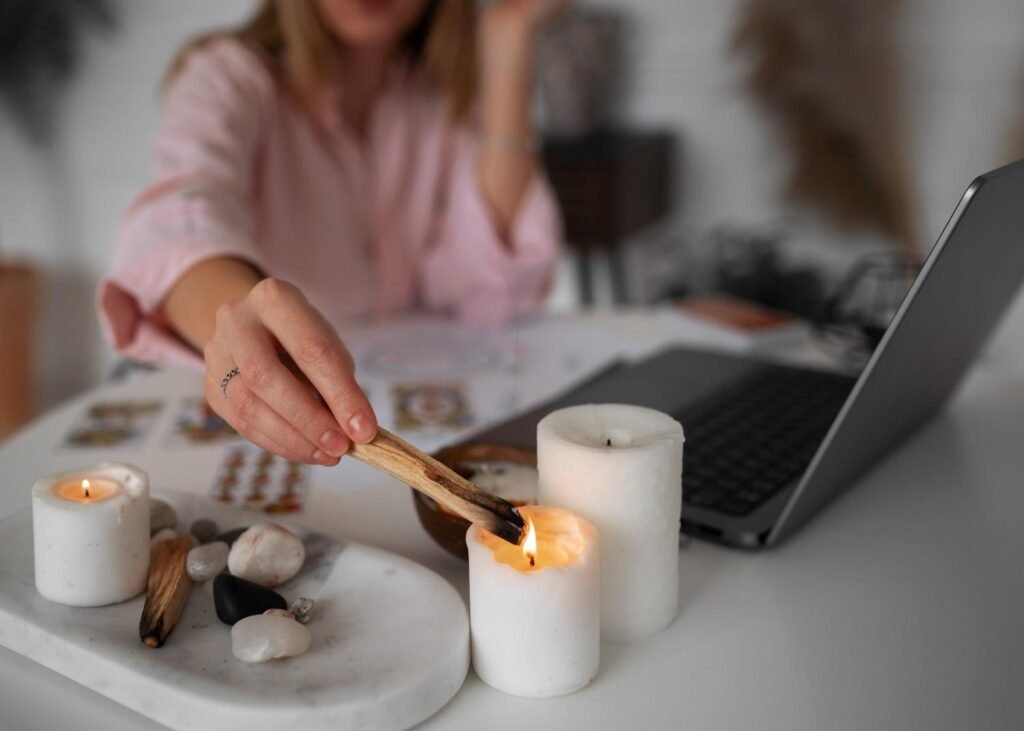
Because candles are a fire product, you should also pay attention to safety standards and labeling. The U.S. Consumer Product Safety Commission (CPSC) and ASTM standards require cautionary labels with warnings like “burn within sight,” “keep away from things that catch fire,” and “keep away from children.” Work with your insurer and possibly a product-liability specialist to protect yourself as you grow.
How do you set up candle making, costs, and pricing?
Now comes the fun part: making great candles that actually burn well.
Most successful candle businesses invest time in mastering the craft before they obsess over Instagram. Top guides recommend experimenting with different waxes (soy, paraffin, beeswax), wick sizes, fragrance loads, and container types until you get clean burns, strong but not overwhelming scent, and safe performance.
Your basic equipment might include:
- Melting pot or double boiler
- Thermometer
- Pouring pitcher
- Scales for precise measurements
- Heat-safe containers and quality wicks
Startup costs vary widely, but many makers can test the waters with a few hundred dollars in supplies. As you grow, you can buy wax and fragrance in bulk and invest in better equipment to improve margins. Industry sources often cite gross margins around 30–50% for well-priced candles, depending on branding and scale.
Don’t guess your prices. Add up all your costs (materials, packaging, labels, shipping supplies, marketplace fees, and your time), then set a retail price that leaves room for profit and wholesale discounts.
Where can you sell your candles online and offline?
You don’t need a fancy store on day one. Many candle entrepreneurs start with:
- Online marketplaces like Etsy or Amazon Handmade
- A Shopify or other e-commerce site for direct-to-consumer sales
- Local craft fairs, markets, and pop-ups
- Wholesale to boutiques, salons, spas, and gift shops
Each channel has pros and cons. Marketplaces bring built-in traffic but charge fees and are competitive. Your own site gives you more control, branding, and data, but you must drive traffic yourself.
Many of the best-performing candle brands use a mix: direct sales on their site, marketplace listings for discovery, and wholesale or consignment for recurring orders.
How should you market and grow your candle brand?
Candle buyers shop with their eyes and emotions. Strong brands invest in high-quality product photography, consistent branding, and compelling scent descriptions that paint a picture, not just list notes.
To grow beyond friends and family:
- Build a simple email list with a discount or free mini-guide.
- Show behind-the-scenes making, pouring, and packaging on Instagram, TikTok, and Pinterest.
- Encourage reviews and user-generated content (photos of your candles in customers’ homes).
- Plan seasonal launches for holidays and gifting occasions — research shows a big chunk of candle sales happens during the holiday season.
Over time, you can expand into complementary products like wax melts, room sprays, or bath products using your signature scents.
Frequently Asked Questions
1. Is a candle business actually profitable?
Yes, a candle business can be profitable when you control your costs and position your brand well. The candle market keeps growing, and candles enjoy strong demand as décor and wellness products. Your main levers are pricing, margins, and repeat customers. If you treat it like a real business — track expenses, price for profit, and build a loyal audience — you give yourself a solid chance to earn meaningful income.
2. How much does it cost to start a candle business?
Your initial budget depends on scale. Many makers can test a small product line from home with a few hundred dollars in wax, wicks, fragrance oils, containers, labels, and basic tools. Larger setups or full branding, websites, and bulk orders can push startup costs higher. Industry guides emphasise starting small, validating your scents and branding, then reinvesting profits into better equipment and larger batches.
3. Do you need a license or insurance to sell candles in the US?
At minimum, you usually need to register your business, collect and remit sales tax where required, and follow local rules for home-based businesses. Because candles involve fire, product liability insurance is strongly recommended. You also must follow candle safety and labeling standards that specify warning language and prohibit hazardous components like lead-core wicks.
4. Can you start a candle business from home?
Absolutely. Many successful brands started at their kitchen table. You can legally operate from home in many US locations as long as you follow local zoning rules, fire safety regulations, and any home-occupation permit requirements. Over time, you might move into a dedicated studio or small warehouse as your volume and storage needs grow.
Ready to let your candle business shine?
If you still wonder how to start a candle business without feeling overwhelmed, remember this: you don’t need to do everything at once. Start by choosing a niche, learning the craft, and selling a small, well-tested line to real customers. Then layer on the legal structure, branding, website, and marketing as you grow. The demand is already there; your job is to show up with safe, beautiful candles and a story people want to bring into their homes.
