


Parenting in the 21st century looks very different from what it did decades ago. From digital learning to dual‑income households and evolving family dynamics, parents today juggle more than ever before. In this modern parenting landscape, one group is quietly playing a pivotal role — grandparents. But their role isn’t just nostalgic or supplemental anymore; it’s evolving, strategic, and essential.
In this blog, we’ll explore how grandparents act as bridges between tradition and the innovations of modern parenting, strengthening families across generations. We’ll unpack key benefits, practical challenges, and proven ways to make grandparent involvement both meaningful and harmonious.
Why Grandparents Matter More Today Than Ever
There’s a growing trend toward multigenerational households and intergenerational support in parenting. With rising childcare costs and busy schedules, many parents lean on grandparents not just for babysitting, but for emotional grounding, cultural knowledge, and long‑term child development support.
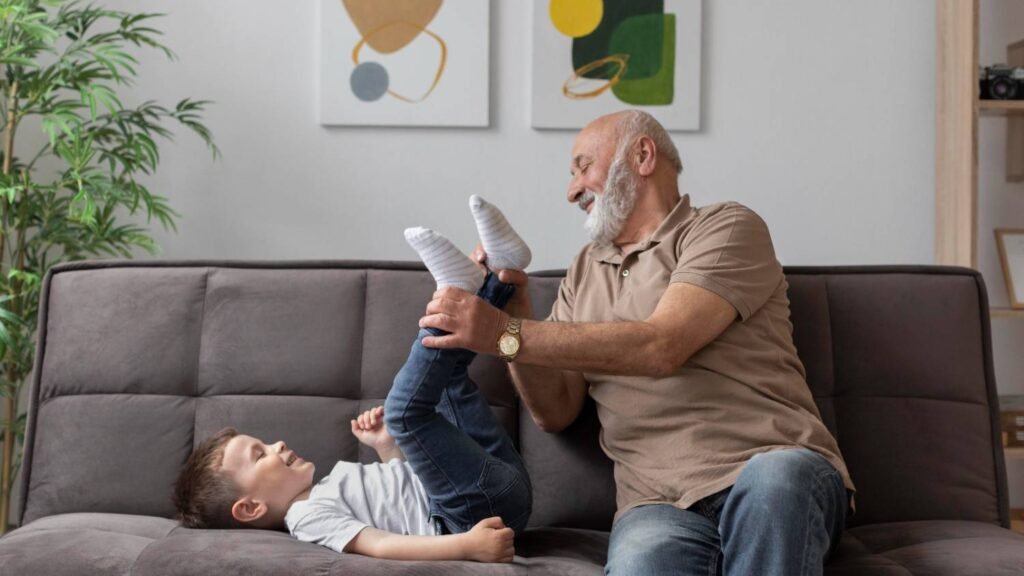
Here’s why grandparents are a unique, irreplaceable part of modern families:
1. Emotional Support and Unconditional Love
Grandparents offer a level of love that often feels unconditional and steady — a rare resource in a world full of stress and competition. Their presence helps children feel secure and valued, and gives parents emotional breathing room when they need support.
2. Cultural and Moral Transmission
From family stories to cultural traditions, grandparents are living libraries of heritage. These narratives anchor children in their identity and values — creating continuity in a time of rapid change. This also works as a foundation for moral development and character formation.
3. Practical Caregiving and Parenting Support
In households where both parents work, grandparents often step in as informal caregivers — picking up kids from school, helping with homework, or simply being a daily presence. This form of grandparent caregiving improves family balance and helps parents pursue careers with confidence.
4. Wisdom That Tech Can’t Replace
Parenting apps and online tips are everywhere — but wisdom from lived experience is still invaluable. Whether it’s teaching resilience, offering life lessons, or providing perspective beyond the day‑to‑day scramble, grandparents bring insight that often transcends generations.
Balancing Tradition With Modern Parenting Practices
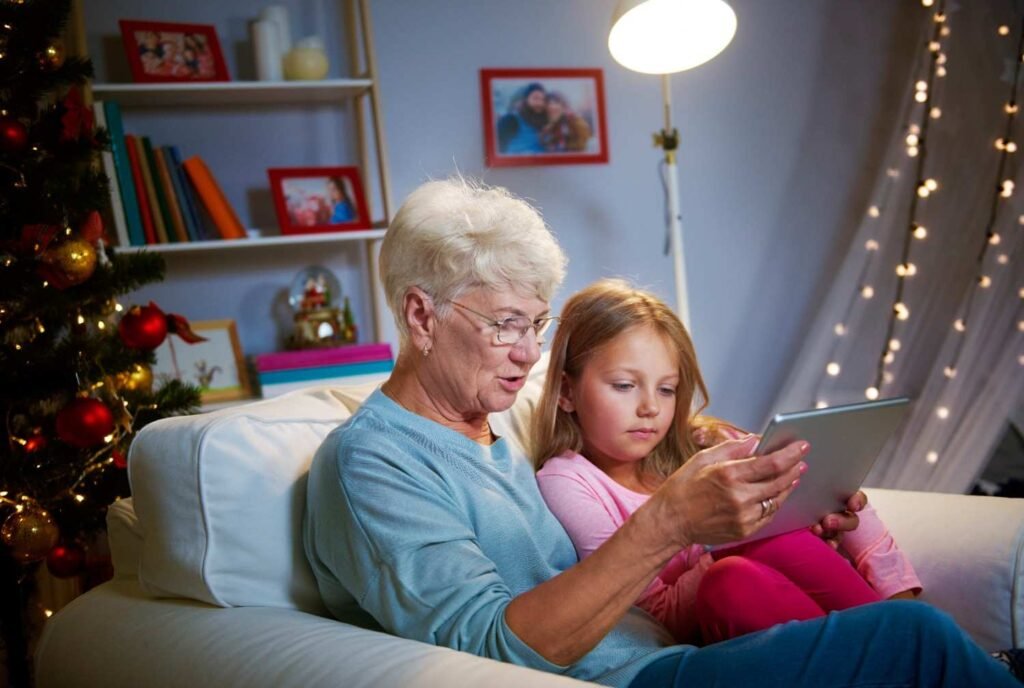
One of the biggest strengths grandparents bring is tradition — but this can also be where conflict happens.
Tradition as Strength
Traditions give children a sense of belonging and roots. From holiday rituals to cultural celebrations and family meals, these shared practices help kids feel part of something larger than themselves. Stories from grandparents reinforce identity and history — which are integral in building social and emotional maturity.
Innovation as Necessity
Modern parenting often involves different expectations — including new ideas about discipline, technology use, education styles, and health practices. For example:
- Parents may prioritize digital literacy, while grandparents emphasize screen‑free play.
- Some grandparents may prefer traditional discipline styles, while parents lean toward positive reinforcement.
Leading with open communication and mutual respect helps integrate both viewpoints in ways that benefit children without creating conflict.
How to Create Harmony Between Parents and Grandparents
Here are practical and modern strategies to make grandparent involvement effective and joyful:
1. Clearly Define Roles and Boundaries
Rather than assuming roles, have a direct discussion with grandparents about expectations — from discipline to caregiving duties. Roles work best when defined collaboratively.
2. Stay Connected Through Technology
Distance doesn’t have to mean disconnection. Regular video calls, group chats, or photo sharing are powerful ways for grandparents to remain involved even if they don’t live close by. (Remote connection builds emotional closeness even from afar.)
3. Encourage Shared Activities
Reading to grandchildren, teaching a family recipe, or sharing music and photos encourages intergenerational bonding. These shared moments are more meaningful than scheduled time without engagement.
4. Respect Evolving Parenting Philosophies
Grandparents bring experience; parents bring current best practices. Acknowledge both, and seek common ground. For example, if grandparents have a different view on discipline, use open dialogue instead of correction — this teaches children respect for diverse approaches.
Overcoming Common Challenges
Modern family dynamics aren’t without tension. It’s important to recognize and address them head‑on:
Conflict Over Parenting Styles
Differences are natural. Rather than dictating terms, talk about the why behind decisions. Understanding perspectives bridges gaps and creates alignment.
Boundaries Around Discipline
Grandparents might revert to traditional discipline that doesn’t align with today’s parenting principles. Establishing shared discipline guidelines early can help reduce misunderstandings.
Caregiving Overload
Especially in families where grandparents provide regular childcare, burnout can happen. Encourage rest, personal hobbies, and emotional support for grandparents — as caregiving should be fulfilling, not exhausting.
The Psychological and Social Benefits for Kids

Research indicates that strong grandparent relationships are associated with:
- Better emotional resilience in children
- Stronger social skills and empathy
- Heightened sense of cultural identity and belonging
- Support during stressful life moments
Grandparents can act as emotional anchors — offering perspective, stability, and unconditional support as children navigate growth and challenges.
Frequently Asked Questions (FAQs)
1. What makes grandparents’ roles unique in modern parenting?
Grandparents combine emotional support, cultural depth, caregiving help, and family history — all of which extend beyond what technology or modern parenting manuals can offer.
2. How can parents and grandparents avoid conflict?
Clarify roles, communicate openly, and set shared expectations. Focus on cooperation rather than correction.
3. What if grandparents live far away?
Technology is a powerful bridge — video calls, virtual story times, and shared digital photo albums maintain meaningful connection.
4. Are there any challenges with grandparents helping raise grandchildren?
Yes — differences in parenting styles, boundaries, and caregiving load can create tension. The key is communication, mutual respect, and shared goals.
Final Thoughts
Grandparents are far more than backup childcare — they are co‑creators of family culture, living repositories of wisdom, and pillars of emotional support. In a world that often pulls parents in many directions, grandparents offer balance — blending tradition with modern insight.
By intentionally building strong, respectful grandparent–parent–child relationships, families don’t just survive modern challenges — they thrive.
