


The narrative of parenting has shifted dramatically over the past few decades. Gone are the days when nearly all primary caregivers were mothers. Today, more fathers are stepping into the role of stay‑at‑home dads (SAHDs) by choice, economic necessity, or family strategy. Still, this relatively new norm comes with its own set of struggles, misconceptions, and emotional hurdles that many dads rarely talk about openly.
In this blog, we dive deep—not just into what stay‑at‑home dads endure, but why these challenges matter, how they are changing fatherhood, and what every SAHD can do to thrive in this under‑explored role.
Why the Role of Stay‑at‑Home Dad Matters
The number of stay‑at‑home dads in the U.S. has increased substantially over recent decades as families rethink traditional gender roles. Experts estimate that today’s SAHD population continues to grow as economic realities and parental values evolve.
This shift redefines fatherhood, yet the cultural landscape hasn’t fully caught up. Many stay‑at‑home dads find themselves navigating unseen hurdles, from social judgment to identity shifts, that make this path both rewarding and demanding.
The Core Struggles of Stay‑at‑Home Dads

1. Social Isolation and Lack of Peer Support
One of the most common issues SAHDs face is loneliness—especially in early parenting years. Research shows that while many mothers build natural support networks through playgroups and school activities, men often don’t have a similar infrastructure, which increases feelings of isolation.
- “A lot of women have peers with children whom they can socialize with, and that’s not so easy for men to do.”
- Many stay‑at‑home dads report that finding fellow fathers in similar roles is rare, making community support hard to come by.
Isolation isn’t just about loneliness—it affects mental health and resilience, especially when caregiving becomes overwhelming or repetitive.
2. Stigma and Stereotypes
Despite growing visibility, stay‑at‑home dads still confront widespread stereotypes:
- Questioning of their masculinity or work ethic.
- The assumption that they are “not doing real work.”
- Mistaken beliefs that they have time off or less responsibility.
A Pew Research survey previously noted that a majority of Americans still believe children are better off with a mother at home than a father—showing how deep these assumptions run.
These negative perceptions create psychological stress, reduced self‑worth, and a constant need to justify one’s role.
3. Identity Shifts and Masculinity
Many stay‑at‑home dads undergo an internal struggle redefining what it means to be a man when not serving as the primary breadwinner. Traditional masculinity ties worth to financial provision, and abandoning that role—even voluntarily—can unsettle one’s self‑confidence.
Research shows that SAHDs often challenge traditional views of masculinity and instead develop a more flexible, emotionally rich identity rooted in caregiving and presence.
This transition can be liberating but also mentally taxing if unsupported by partners or community.
4. Mental Health Challenges

The stay‑at‑home dad role often involves repetitive tasks, unpredictable schedules, and caregiving stress. Studies indicate higher risks of depressive symptoms among stay‑at‑home fathers, especially when basic needs such as alone time and social interaction aren’t prioritized.
Common signs include:
- Persistent fatigue
- Mood swings
- Feeling unappreciated or undervalued
- Struggling to maintain self‑care routines
These feelings are not weaknesses—they are understandable responses to sustained caregiving without adequate support.
5. Work‑Life Balance and Career Concerns
Many fathers take on fullscreen caregiving at a time when their careers are still developing. This leads to:
- Skills becoming outdated
- Fears about re‑entering the workforce
- Anxiety over long‑term earnings potential
Research shows that stay‑at‑home fathers who plan to return to work often worry about the gap in their resume and how they will regain competitive footing.
How to Navigate These Struggles Successfully
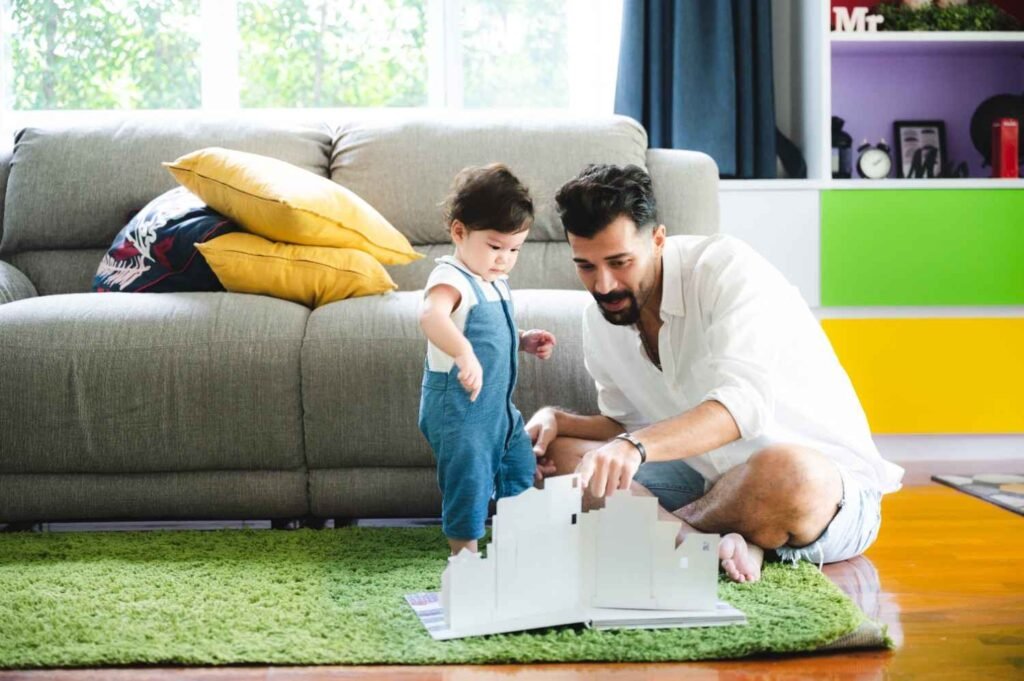
While the challenges of being a stay‑at‑home dad are real, so are the strategies for managing them.
Build a Support Squad
Join:
- Local SAHD groups
- Parenting circles that welcome fathers
- Online communities focused on male caregivers
Support doesn’t just alleviate isolation—it reinforces purpose.
Prioritize Mental and Emotional Health
Schedule:
- Short breaks daily
- Dedicated self‑care activities
- Regular check‑ins with a therapist or counselor
Mindfulness isn’t just a buzzword—it’s a tool for sustainable parenting.
Reframe Your Identity
Rather than viewing caregiving as a loss of traditional roles, consider:
- Staying home as a career in caregiving
- Emotional presence as an achievement
- Parenting skills as transferable to future pursuits
This mindset shift can reduce stigma‑related stress and build confidence.
Plan Your Future
Whether you return to the workforce or stay home longer, intentional planning matters:
- Update skills through online learning
- Network with professionals
- Consider part‑time or freelance work
This keeps options open and reduces anxiety about career trajectories.
Frequently Asked Questions (FAQs)
1. Are stay‑at‑home dads common?
While still far fewer than stay‑at‑home moms, the number of stay‑at‑home dads in the U.S. has been rising as families reshape caregiving roles.
2. Do stay‑at‑home dads experience depression?
Studies indicate higher risks of depressive symptoms among dads in caregiving roles, especially without sufficient social support.
3. How can a stay‑at‑home dad combat stigma?
Building supportive networks, educating others, and reframing caregiving as valuable work can help challenge stereotypes.
4. Will being a stay‑at‑home dad affect future employment?
It can, but strategic planning like skill development and networking can make career transitions smoother.
Final Thoughts
The struggles of stay‑at‑home dads are deeply human, rooted in culture, identity, and emotional effort. But these challenges also reflect a powerful shift in modern fatherhood—one that embraces caregiving, emotional connection, and family value beyond paycheck stereotypes.
With awareness, support, and intentional strategies, SAHDs can not only survive these challenges but thrive in a role that shapes generations.
