

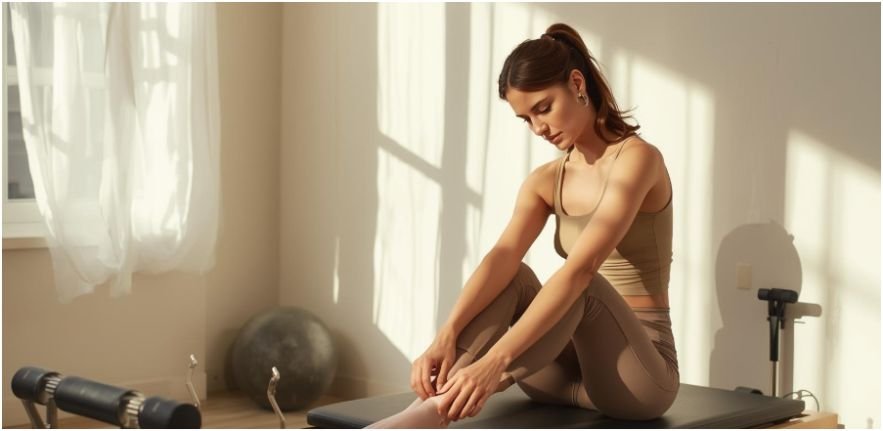
I still remember my very first Pilates class, and not for a glamorous reason. I wore a loose cotton t-shirt that somehow flipped over my head every time I lifted my legs. I spent half the class trying to pull it down instead of focusing on my form. That day, I learned the importance of knowing exactly what to wear to Pilates before stepping foot into a studio.
Now I treat my Pilates outfits like tiny armor—supportive, stretchy, stylish, and practical. When you look good, you feel confident, and when you feel confident, your entire workout shifts into a new gear. So here’s everything I learned from years of trial, error, and leggings that betrayed me at the worst moments.
Why Does What to Wear to Pilates Matter So Much?
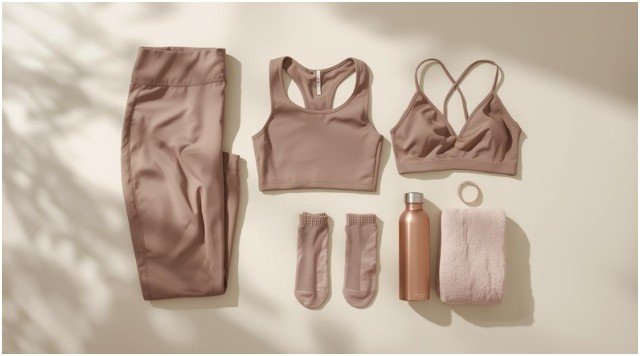
Pilates looks slow and gentle from the outside, but your body works through deep and intentional movements that depend on alignment. I choose form-fitting clothes because my instructor needs to see my posture, hip position, and spine alignment. You’ll also feel more connected to each movement when your clothes stay exactly where they belong.
Baggy shirts ride up. Loose shorts gap open. Anything with zippers digs into your back. I experienced every one of those mishaps, and none of them felt great. Pilates demands attention to detail, so my outfit supports that focus instead of fighting against it.
Breathable fabrics help too. I move more smoothly when my clothes wick sweat and stretch with me. You’ll feel the difference the moment you switch to better fabrics—your practice flows with much more ease.
What Tops Work Best When You Ask What to Wear to Pilates?
I learned quickly that form-fitting tops feel like lifesavers in Pilates classes. I usually wear a moisture-wicking tank top or a sports bra with a comfortable level of support. These options stay in place during inversions, twists, and core work.
Loose shirts float around during movement, especially on reformer machines. They also block your instructor’s view of your core engagement, which matters more than you think. When you wear a fitted top, you see your alignment clearly in the mirror, and you feel every muscle turn on.
I love tops without zippers, metal hardware, or dangling ties. Nothing ruins the mood like a knot pressing into your spine while you lie on a carriage. Clean designs and smooth fabrics feel best against the skin during long sessions.
Which Bottoms Make You Feel the Most Confident in Pilates?
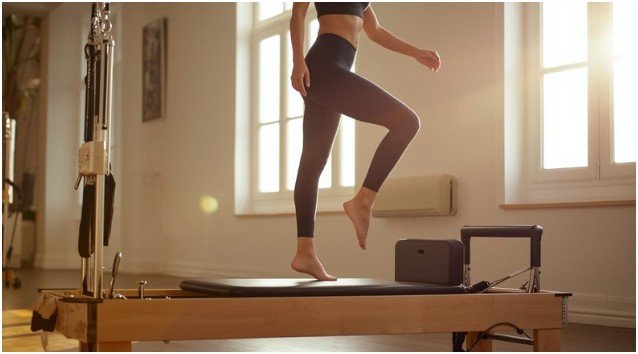
My number-one choice always comes back to high-waisted leggings. They anchor your midsection, move with your hips, and never slip down when you lift your legs or roll onto your back. I prefer ankle-length because they stay put and make me feel streamlined.
Biker shorts also work well, especially in warmer studios or mat-focused classes. I choose opaque fabric, because Pilates positions stretch your clothes in every direction. You want leggings or shorts that keep everything covered and comfortable.
I skip anything with drawstrings, buttons, or zippers. These details dig into your skin every time you lie down or stretch. Smooth waistbands feel best and move naturally with your core.
Do You Wear Shoes, Socks, or Go Barefoot in Pilates?
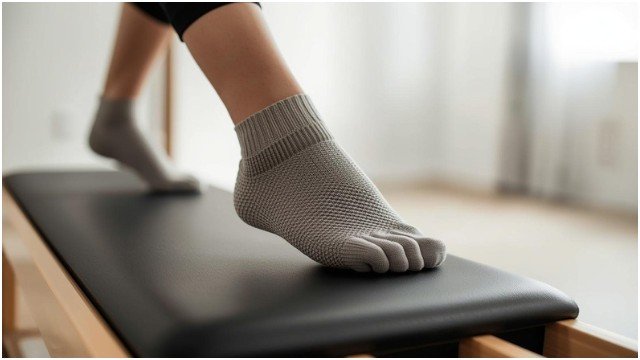
Most Pilates studios encourage barefoot training or grip socks. When I first started, I felt awkward taking off my shoes, but it actually helps you ground your feet and activate muscles you normally ignore.
Grip socks offer a nice balance of hygiene, traction, and studio rules. Some studios require them on reformer machines, and I like how stable I feel when I wear them. They prevent slipping and help you stay anchored on the footbar or carriage.
Barefoot also works perfectly for mat classes. I switch between the two depending on the style of class I take that day.
What Should You Avoid When Deciding What to Wear to Pilates?
I avoid baggy clothes at all costs. They block your view, hide your form, and get caught in equipment. I used to love oversized sweats, but they never supported my practice.
Jewelry causes the same issues. Bracelets knock into equipment, necklaces swing into your chin, and rings press into the handles. I keep everything simple and clean while I train.
I also avoid strong perfumes or heavy makeup. Pilates studios tend to feel cozy and intimate, so I stay mindful of the shared space. A fresh, natural look always works best.
Quick Comparison Table: Best vs. Worst Clothing Choices
| Item Type | Best Choice | Avoid |
| Tops | Fitted tank tops, sports bras | Baggy shirts, tops with zippers |
| Bottoms | High-waisted leggings, biker shorts | Loose shorts, pants with buttons |
| Feet | Grip socks or barefoot | Regular socks, shoes |
| Accessories | Hair tied back | Jewelry, watches |
| Fabrics | Stretchy, breathable, opaque | Cotton, stiff materials |
How Do You Put Together the Perfect Pilates Outfit?
I follow a simple routine every time I get ready for class. First, I choose leggings or shorts that support my core and move with me. I test the waistband and fabric stretch before I commit to the outfit. If something shifts or squeezes, I switch it out.
Then I choose a fitted top that stays in place during roll-downs and leg lifts. I lift my arms, bend forward, and twist to make sure nothing rides up. When everything passes my little “movement test,” I tie my hair back and pack grip socks in my bag.
I finish with a lightweight layer for before and after class. Studios often feel cool at the start but warm up quickly during the session, so layers help me adjust without discomfort.
FAQ: What Do People Ask Most About What to Wear to Pilates?
1. Do I need special clothes to start Pilates?
You don’t need anything fancy. You can start with leggings and a fitted tank top you already own. The goal involves comfort, stretch, and visibility of your form. Once you get into a routine, you can invest in higher-quality pieces that support deeper movements and last longer.
2. Can I wear shorts instead of leggings?
Yes, but I recommend fitted biker shorts over loose gym shorts. Pilates includes a lot of leg lifts and stretches, so loose shorts shift around too much. Biker shorts stay put and feel comfortable through the entire session.
3. Are grip socks worth it?
I reach for grip socks in almost every reformer class because they help me feel stable and secure. They also keep the shared equipment more hygienic. If you take mostly mat classes, you can go barefoot, but grip socks still add a nice layer of traction.
4. What kind of sports bra works best for Pilates?
A low-to-medium impact sports bra works for most Pilates classes. I choose styles that support my chest without compressing it too tightly. You want enough support to feel comfortable but still breathe deeply during core work.
Final Stretch: Ready to Look and Feel Amazing in Class?
Your outfit sets the tone for your entire session, so choose clothes that support your body and confidence. When you know what to wear to Pilates, you show up ready to move, breathe, and feel strong.
My best tip: choose clothes that make you feel sharp the moment you put them on. Your energy shifts, and your entire practice follows that momentum.
