

If you’ve ever wondered why does my dog stare at me, you’re not alone. Many dog owners experience that deep, silent gaze and think: Are they judging me? Asking for something? Just watching? As a canine-behavior researcher and lifelong dog owner, I can tell you this: a dog’s stare is almost always meaningful, and understanding it can improve your relationship with your dog.
Dogs rarely stare for no reason. Their eyes are one of their most powerful communication tools. The key is interpreting the type of stare and the context, which is exactly what this guide will break down.
The Loving Gaze: Your Dog’s Stare as a Sign of Bonding
One of the most common reasons your dog stares at you is pure affection. When your dog looks at you softly, with relaxed eyes, loose body, and neutral posture, it’s a sign of love and attachment.
When this happens, something biologically fascinating occurs:
Eye contact between you and your dog releases oxytocin, often referred to as the “love hormone.” It’s the same hormone involved in bonding between mothers and infants.
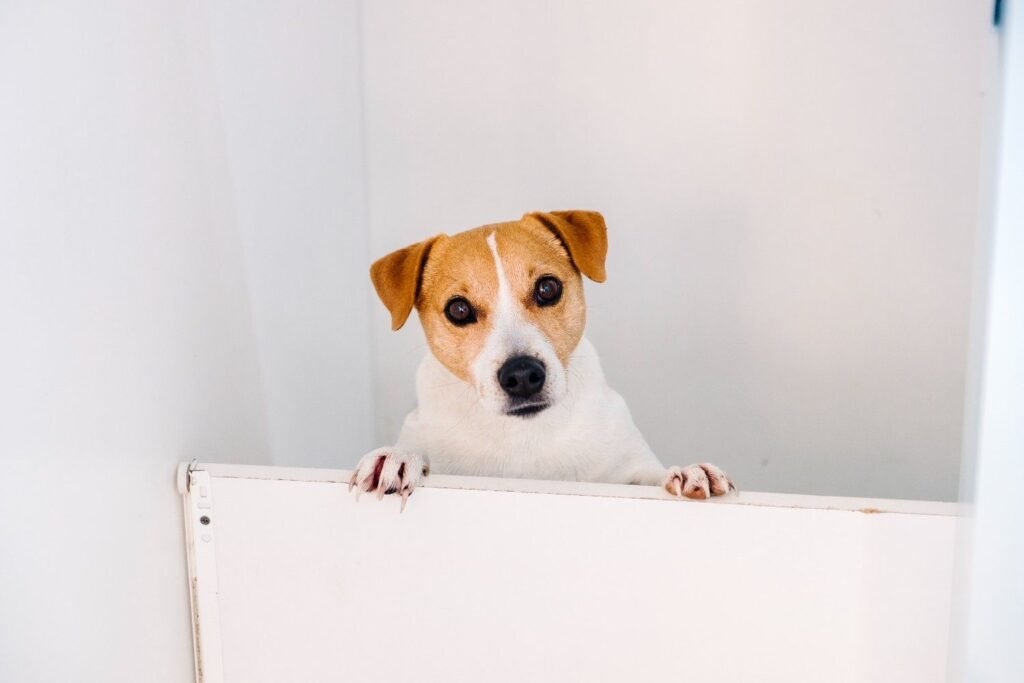
A gentle stare often means:
- I trust you
- I feel calm with you
- I want connection
This is a beautiful, positive stare—one to cherish.
The “I Want Something” Stare: Your Dog as a Communicator
Dogs are intelligent social animals. They quickly learn that staring at humans gets results.
Your dog might stare when it wants:
- food
- a treat
- a walk
- to go outside
- playtime
- attention
- affection
A classic sign is when they stare, then shift their gaze to an object:
- you → food bowl
- you → leash
- you → door
- you → toy
This is intentional communication. They’re politely saying, “Hey…you know what time it is, right?”
The “Reading You” Stare: Your Dog Is Studying Your Behavior
Dogs are experts at reading human cues. They observe your:
- posture
- tone
- expressions
- movements
- routine
Your dog may stare because it’s trying to anticipate what comes next.
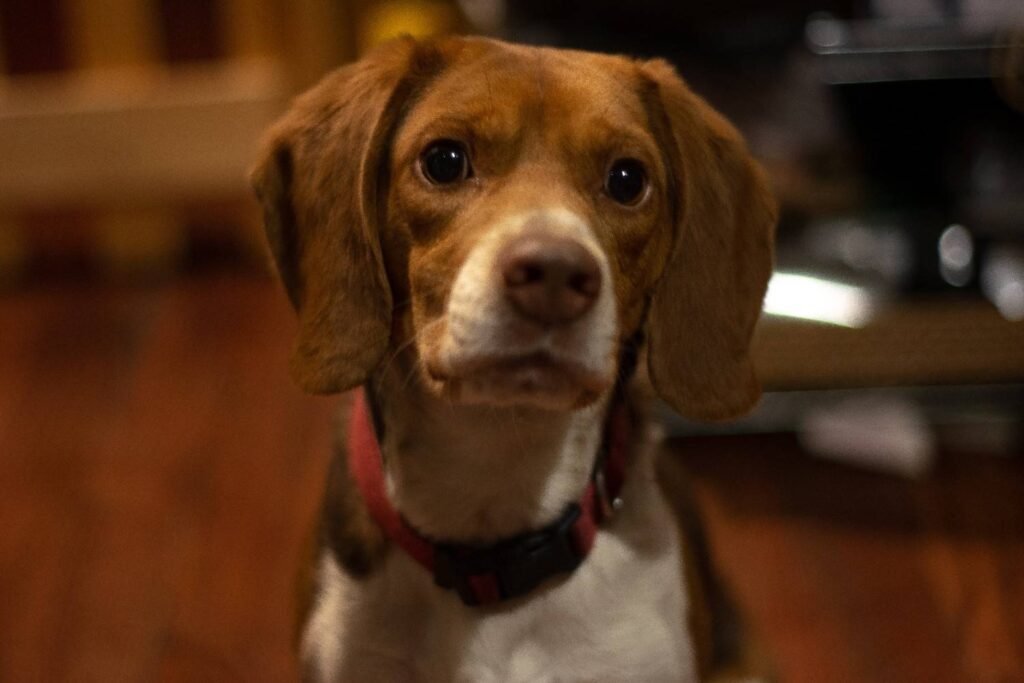
Examples:
- You stand up → Are we going outside?
- You walk toward the kitchen → Is there food?
- You pick up keys → Are we leaving?
- You put on shoes → Is it walk time?
This stare is about information gathering, not emotion.
Confusion or Training-Related Staring: When Your Dog Doesn’t Understand
Sometimes a dog stares because it’s unsure about what you want.
If you say:
“Sit…no, move…no, come here…wait—no…”
Your dog might just stare, thinking:
“I want to obey, but I have no idea what that means.”
This often occurs when:
- commands are inconsistent
- gestures contradict words
- training is unclear
- a dog is still learning
This is not defiance—it’s confusion.
Quick Interpretation Table: What Your Dog’s Stare Really Means
| Type of Stare | Body Language | Meaning | What You Should Do |
| Soft, relaxed eye contact | Loose body, calm | Love, bonding | Enjoy it, reinforce with affection |
| Alternating gaze (you → object) | Focused, alert | Wants something (treat, walk, play) | Check what they’re signaling |
| Intent, watchful stare | Attentive posture | Reading your cues | Acknowledge verbally or with gestures |
| Confused look | Head tilt, slow blink | Doesn’t understand command | Re-teach or simplify the cue |
| Hard stare | Rigid body, tense face | Dominance or aggression | Avoid engaging, seek professional help |
The Rare Hard Stare: When Eye Contact Signals Aggression
A hard, unblinking, intense stare can be a warning. It often comes with:
- stiff body posture
- raised hackles
- curled lip
- tense jaw
- growling or staring down
This might occur near:
- food bowls
- toys
- favorite resting areas
- unfamiliar dogs
- strangers
If this happens:
- don’t stare back
- don’t scold
- don’t reach toward them
- calmly give space
For recurring aggressive stares, a professional trainer or behaviorist is essential.
Health-Related Staring: When It May Signal a Problem
Sometimes staring is not emotional or communicative—it’s neurological or cognitive.
Cognitive Dysfunction (Dog Dementia)
Older dogs that stare at:
- corners
- walls
- empty spaces
may be experiencing canine cognitive decline.
Other signs include:
- forgetting commands
- disrupted sleep patterns
- accidents indoors
- seeming “lost” in familiar spaces
In this case, consultation with a veterinarian is important.
Vision Issues
Dogs staring blankly or seeming to “look through you” may be experiencing:
- cataracts
- retinal issues
- aging vision
Pain or Illness
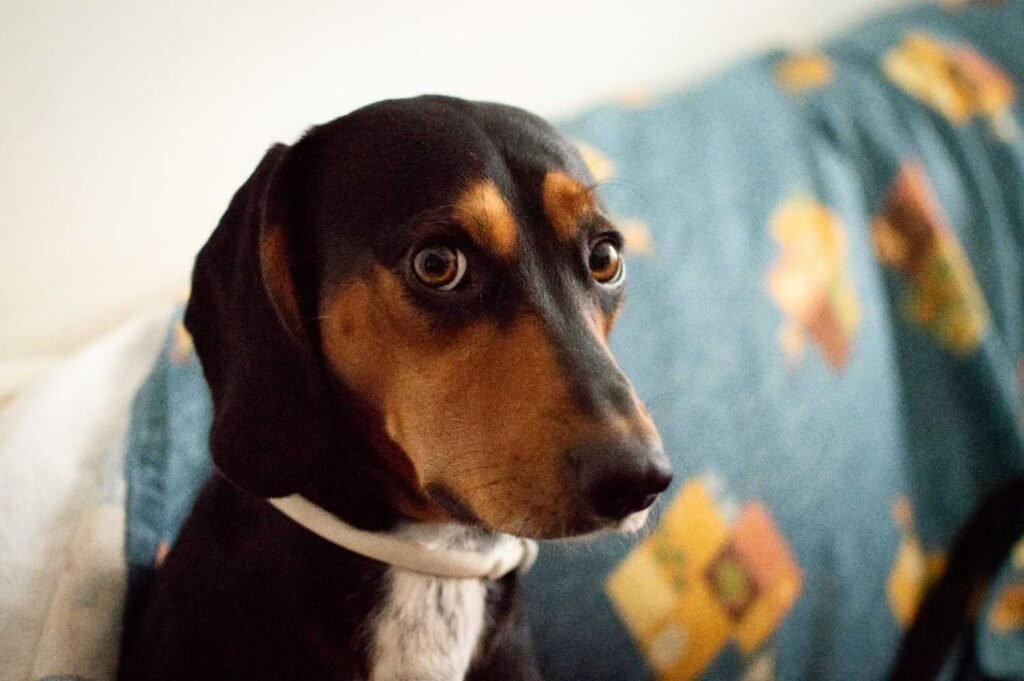
If your dog stares at you with a worried or pleading expression, it may be seeking help or reassurance. Dogs often look to owners when something feels wrong physically.
Breed-Specific Observations: Some Dogs Stare More Than Others
Certain breeds naturally use gaze as part of instinct and work. For example:
- Border Collies
- Australian Shepherds
- Cattle Dogs
They use the “strong eye”—a focused, intense stare—to control livestock. For these dogs, staring is:
- instinctual
- normal
- part of their working heritage
Should You Stare Back at Your Dog?
It depends on the stare.
Soft stare?
Yes. Smile, blink slowly, and maintain gentle eye contact.
Demand stare (for food)?
Decide whether you want to reinforce that behavior.
Aggressive stare?
No. Staring back can escalate tension and challenge dominance.
Frequently Asked Questions
1. Why does my dog stare at me while I eat?
Your dog is probably hoping for food or waiting for a dropped crumb. Over time, this becomes conditioned—staring has worked before, so they repeat it.
2. Why does my dog stare at me when I sleep?
They may be: guarding you, waiting for you to wake up, checking on you, bonding. Some dogs simply like watching their humans.
3. Why does my dog stare at me from across the room?
They might:
- be monitoring you
- be anticipating an action
- be seeking attention
- be relaxing and observing you out of comfort
Final Thoughts: The Meaning Behind “Why Does My Dog Stare at Me?”
So why does my dog stare at me? In most cases, because you are the center of their world. Your dog looks at you to communicate, to learn, to bond, and to anticipate what happens next. Understanding the nuances of your dog’s gaze strengthens your relationship and helps you respond appropriately.
A dog’s stare can mean:
- I love you
- I want something
- I am learning from you
- I am confused
- I need help
- I am uncomfortable
Once you understand these signals, you start to “hear” your dog in a new language—the language of the eyes.
