
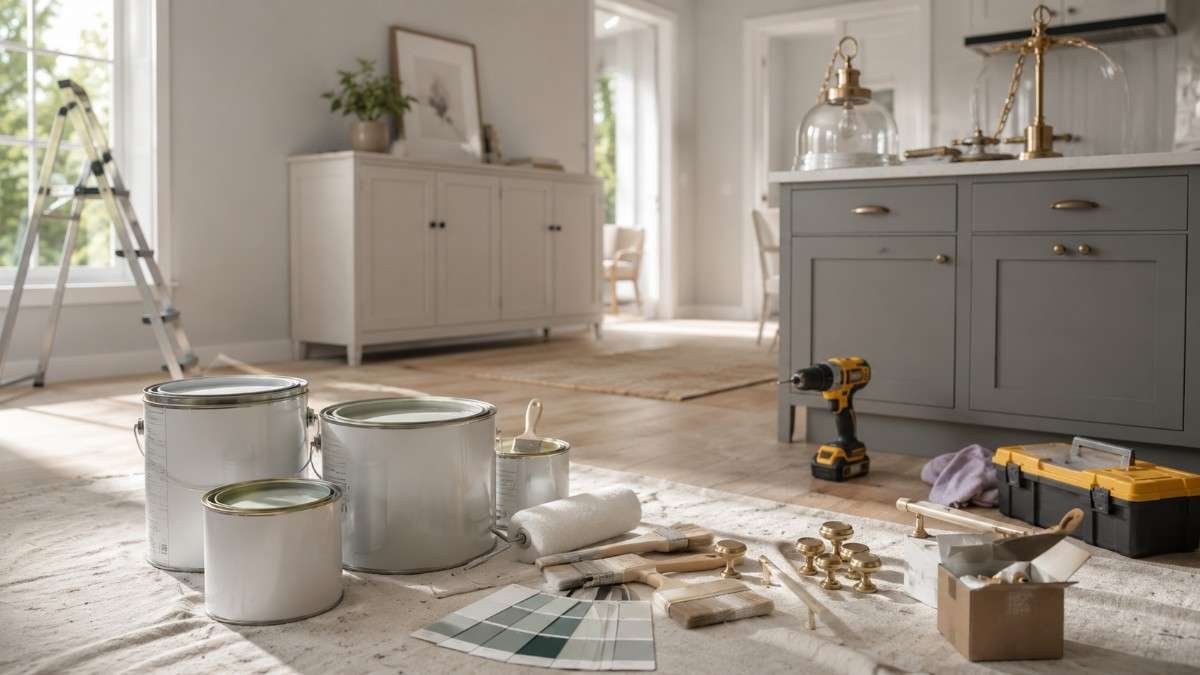
Home renovation is frequently associated with exorbitant price tags and endless construction delays. Many property owners believe that updating a living space requires thousands of dollars and the complete gutting of entire rooms. However, structural overhauls are not the only way to breathe new life into a property. Minor renovations can yield impressive visual and functional improvements without draining your savings account.
By focusing on small, strategic changes, you can stretch your dollar further and enjoy a refreshed environment. This guide explores highly effective, low-cost strategies to maximize your home improvement budget.
Strategic Planning and Budget Allocation
Before purchasing any materials or lifting a single tool, a successful budget renovation requires careful planning. The most common mistake homeowners make is diving into projects without clear financial boundaries.
Identifying High-Impact Areas
To get the most out of your investment, focus your energy on the spaces where you spend the most time or areas that are visible to guests. The kitchen, the main bathroom, and the entryway are primary zones where minor visual updates create a profound shift in the overall perception of the house.
Setting a Financial Safety Net
Even small projects can reveal unexpected challenges behind walls or under floors. Allocate roughly 10% of your total budget for unexpected expenses, ensuring that a minor setback does not halt your project midway.
Aesthetic Enhancements with Paint and Texture
Paint remains the absolute most cost-effective tool in the home renovation playbook. A fresh coat of paint completely alters the mood, cleanliness, and perceived size of a room.
Selecting the Right Palette
Bright, neutral tones like warm whites, soft grays, and light beiges bounce natural light around a dark room, making tight corridors or small bedrooms feel spacious. Conversely, using a dark, dramatic hue on a single feature wall adds architectural interest and depth without the expense of structural modifications.
Refreshing Tired Cabinets
Instead of replacing old kitchen or bathroom cabinetry, consider painting them. Sanding down old wood surfaces and applying a durable, semi-gloss paint can save you a small fortune compared to purchasing entirely new units.
Small Hardware and Fixture Swaps
The small details in a house are often what dictate its true age. Builder-grade materials or outdated finishes can make an otherwise beautiful room look neglected. Look for these deets when building a new house.
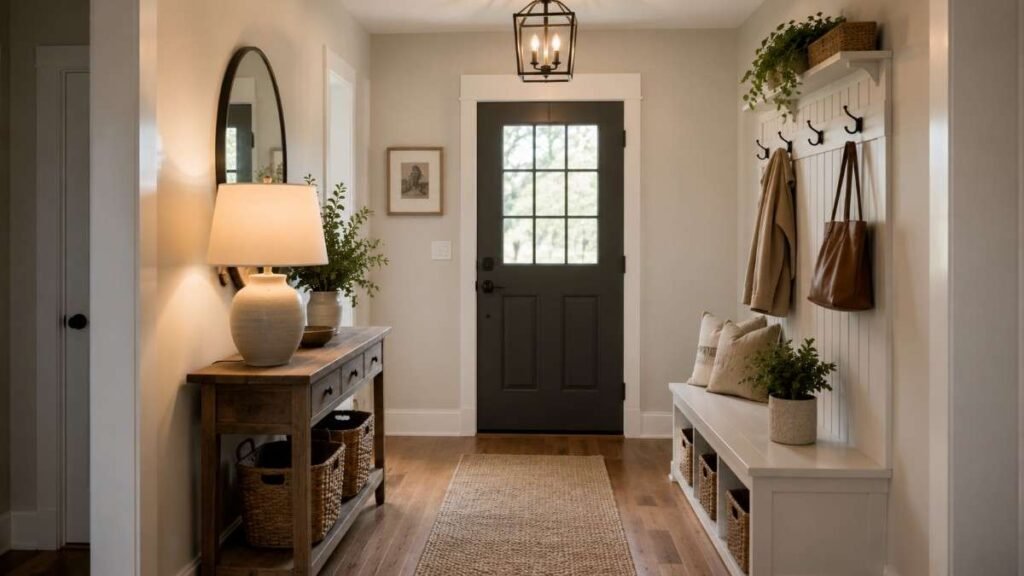
Updating Cabinet and Door Hardware
Swapping out tarnished brass handles, hinges, and drawer pulls for matte black or brushed stainless steel modernizes a space instantly. This task requires only a screwdriver and basic patience, yet the transformation feels remarkably premium.
Improving Interior Transitions
Take a look at the transitions between your rooms. Upgrading worn thresholds, refreshing floor baseboards, or updating weathered entry points can make the layout flow much better. For instance, updating old interior doors or investing in solid entry doors in Utah can seal out drafts while elevating your home’s security and overall curb appeal.
Lighting as a Spatial Tool
Lighting dictates how color behaves and how large a space feels. Dated glass globes and harsh fluorescent bulbs can make a home feel sterile or gloomy.
Introducing Layered Lighting
Instead of relying on a single overhead light source, create layers of light. Add plug-in wall sconces beside a bed, install battery-operated under-cabinet LED strips in the kitchen, or place affordable floor lamps in dark corners.
Installing Dimmer Switches
Replacing standard toggle switches with dimmers gives you complete control over the evening ambiance. This minor electrical change allows a multi-purpose space, like a dining room, to shift seamlessly from a bright workspace to an intimate dining environment where you can display your favorite experiences.
Functional Organization and Storage Solutions
A home cannot feel truly renovated if it remains cluttered. Minor renovations should always aim to improve how a house functions on a daily basis.
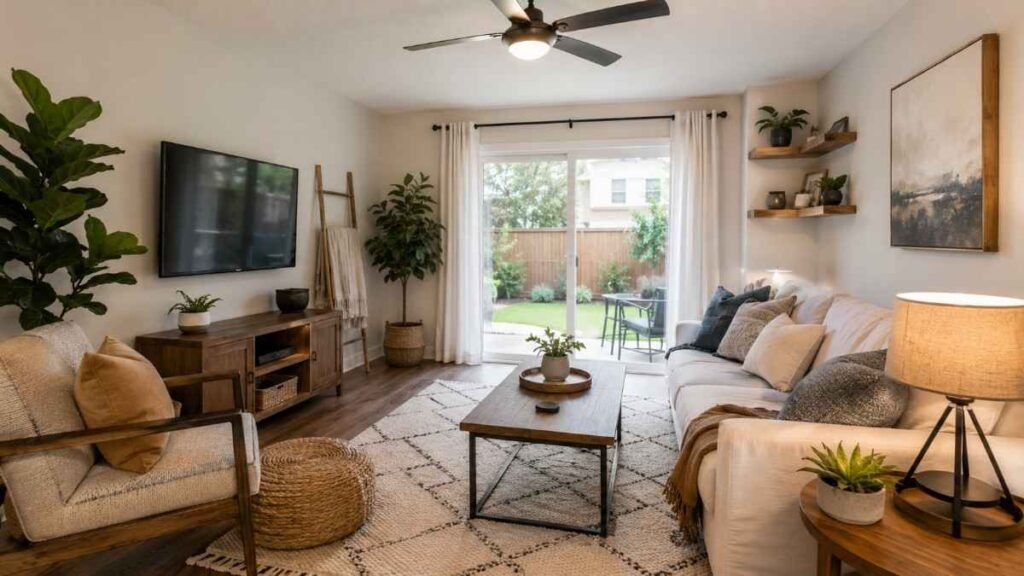
Utilizing Vertical Space
Install floating shelves in dead zones, such as above toilets or in the awkward corners of a living room. This creates display space for decor while freeing up valuable floor area.
Closet Customization Kits
Standard closets often feature a single wire shelf and a hanging rod, leaving massive amounts of wasted space. Installing inexpensive wooden organizer systems allows you to double your storage capacity and maintain daily order.
Conclusion
Achieving a beautiful, modern home does not require an immense financial sacrifice. By prioritizing small projects, utilizing the transformative power of paint, and paying attention to functional details like lighting and hardware, you can execute a stunning minor renovation on a strict budget. The secret lies in taking a patient, methodical approach to home improvement.