
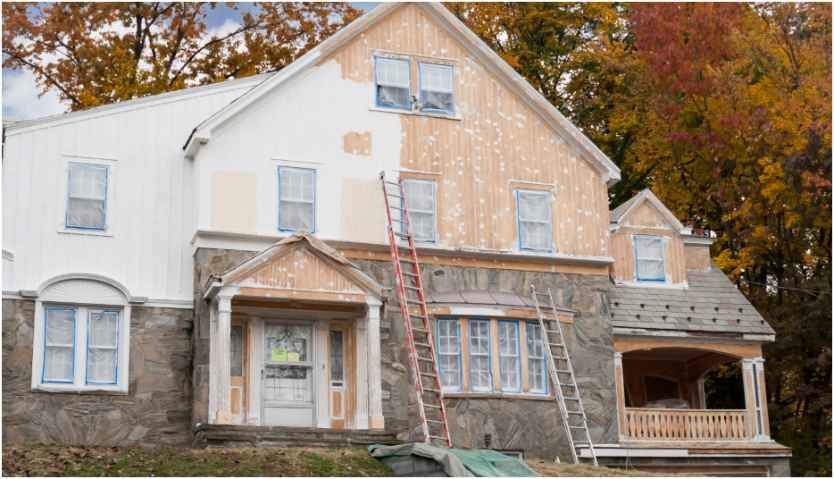
Your contractor said six weeks. It’s week nine, there’s still a dumpster parked in your driveway, and nobody’s given you a real answer on when the crew comes back. If that sounds familiar, or you’re trying to avoid living it, here’s the honest version of what a full exterior renovation looks like once the sales pitch is over.
The timeline runs longer than the estimate. The budget grows in the middle instead of the beginning. And the whole thing breaks down into four phases, each one carrying its own chance of throwing you off schedule.
Full exterior renovations touch the roof, siding, windows, doors, and sometimes the driveway or landscaping, all in one coordinated project instead of piecemeal repairs. You do it this way because one mobilization, one dumpster, and one round of scaffolding usually beats hiring separately for each trade, on price and on your patience. It also means more moving parts to manage while it’s happening.
The Timeline Nobody Puts in the Contract
Ask five contractors how long a full exterior job takes and you’ll get five different numbers, all of them optimistic. A single-family home doing roof, siding, and windows together typically runs 4 to 10 weeks of active work. That window assumes good weather, no back-ordered materials, and no surprises once the old siding comes off.
It rarely stays that clean.
A permit office runs behind. A structural issue turns up mid-demo. Your specific shingle color or window size is on backorder. A week of rain shuts down roofing entirely. None of that is unusual on its own, but stack two or three together and the “8 weeks” on your contract quietly becomes 10 to 12 in real life.
Where the Budget Actually Goes
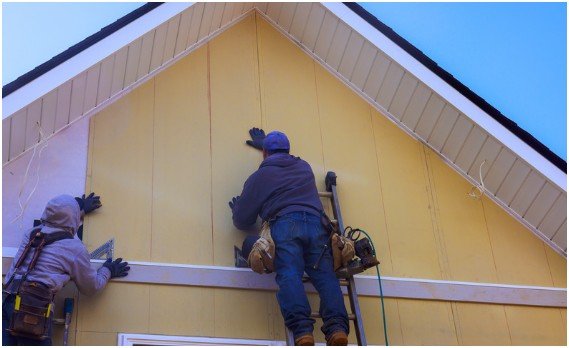
Materials and labor are the two line items you see on your estimated essential home maintenance. What’s missing is the third category: contingency. Set aside 10 to 20% above your signed contract price for a project this size, not because your contractor is padding the number, but because exterior work means opening up a house that’s been sealed shut for decades, and nobody really knows what’s back there until it’s exposed to daylight.
Here’s what tends to eat that contingency once the walls come open:
| Category | How Often It Shows Up |
|---|---|
| Rotted sheathing or framing found during demo | Most common, highest dollar impact |
| Permit or inspection delays | Common, low dollar impact |
| Material upgrades decided mid-project | Homeowner-driven, variable |
| Dumpster and disposal overages | Frequent, low dollar impact |
| Weather-related scheduling gaps | Seasonal, variable |
The Four Phases of a Full Exterior Renovation

Phase 1: Planning and Permits
This is the slowest phase, and it’s the one you’ll most underestimate. Between finalizing material selections, getting a signed contract, and waiting on your municipality to issue permits, plan on two to six weeks before a single tool touches your house. Most Northeast Ohio suburbs require permits for roofing, siding, and window replacement. Skip that step and you can complicate an insurance claim, or a sale, years down the line.
Phase 2: Demo and Structural Work
Old siding, shingles, and trim come off, and this is when you find out what’s actually going on underneath: soft sheathing, water-damaged framing, or flashing that was never installed correctly in the first place. A contractor worth keeping stops right here and shows you photos before moving forward. The kind you want to avoid just covers it up and hopes you don’t notice at closing five years later.
Phase 3: The Big Systems
Roofing goes first, since it protects everything installed underneath it, then siding, then windows and doors. If you’re in the Cleveland area, this is usually the point where you’re calling on local Euclid roofing services to handle the tear-off and inspection before the siding crew even shows up. Get the roof sequence wrong and you’re paying to redo flashing work twice.
Phase 4: Finish Work and Final Walkthrough
Caulking, trim, paint touch-up, gutter reinstallation, and then a walkthrough where you and your contractor circle the house together with a punch list in hand. Don’t sign off, and don’t release final payment, until every single item on that list is actually checked off.
The Costs Nobody Mentions Until Week Three

Every contractor will talk you through materials and labor. Almost none bring these up first:
- Dumpster overage fees. Most contracts cover one or two swaps. A fourth swap because the old roof turned out to be three layers deep instead of one comes out of your pocket.
- Temporary protection. Tarping your windows, covering the landscaping, shielding the deck from falling debris. Sometimes it’s bundled in. Sometimes it shows up as a separate line item.
- Change order lag. Every change you approve mid-project adds paperwork time before the crew can pick back up, even for something as small as swapping a window style.
- HOA or historic district review. Design guidelines in your neighborhood mean another approval step before Phase 1 even gets going.
None of this makes the project a bad idea. It just changes what you should expect to spend before you sign.
Vetting a Contractor Without Getting Burned
The Federal Trade Commission publishes a whole guide on home improvement scams, which tells you something about how often this goes wrong. The red flags they call out: pressure for an immediate decision, demands for full payment upfront or cash only, and a contractor who asks you to pull the required permits instead of handling that under their own license. A legitimate contractor doesn’t need you to rush.
Before you sign anything, do three things:
- Confirm the contractor is licensed and insured. Ask for proof, not just their word.
- Get at least two other bids so you know what normal pricing looks like in your area.
- Ask for references from jobs finished in the last six months, not five years ago.
The Paperwork Side: Permits and Insurance
Two administrative pieces get skipped more than they should.
Start with insurance. Call your agent before the crew shows up. The house, your contractor, and any subcontractors on site all need adequate coverage while construction is underway, and if the renovation bumps up your home’s replacement value, your dwelling coverage probably needs to go up with it.
Then there’s lead paint, if your house is old enough. Homes built before 1978 fall under federal lead-safe rules the moment a renovation disturbs old paint. That means your contractor needs an EPA lead-safe certification, and their crew needs real dust-control training, the kind that certification actually requires. Ask them directly whether they’re RRP-certified. Any contractor who’s actually certified will answer that without blinking.
Scheduling Around a Four-Season Climate

Northeast Ohio hands you a real window for exterior work, and a real off-season, and mixing the two up costs money. Call it the three-season rule: late spring through early fall, roofing and siding and paint all cure properly, and crews move at full speed.
Winter work happens too, for some trades, but shingle adhesive and exterior paint don’t set right below 40 degrees. A rushed winter roof job is a common reason for callbacks the following spring.
Book in March for a May start. Waiting until July usually means picking from whichever crews still have a fall opening left.
What Actually Pays Off When You Sell
Not every exterior upgrade returns the same value at resale, and the numbers might surprise you. The 2025 Remodeling Impact Report from the National Association of Realtors and the National Association of the Remodeling Industry ran the math on exactly this. A few of the results:
| Project | Estimated Cost Recovery at Resale |
|---|---|
| New steel front door | 100% |
| New fiberglass front door | 80% |
| New vinyl windows | 74% |
| New wood windows | 71% |
Source: 2025 Remodeling Impact Report, National Association of Realtors and National Association of the Remodeling Industry.
A front door recovering its full cost at resale is a little strange when you sit with it, but that’s what the data says. The same report found new roofing tied with a primary bedroom suite and a kitchen upgrade for the highest homeowner satisfaction scores in the whole survey.
Resale value and how much you’ll actually enjoy the upgrade don’t always point at the same project. Worth keeping in mind depending on whether you’re renovating to sell or minor home renovation to stay put.
Quick Answers
1. Do I need to move out during a full exterior renovation?
No. Most homeowners stay put. Life inside the house continues normally, minus the noise, the dust near open work areas, and limited access to the yard during active phases.
2. Can I do the project in phases instead of all at once?
Yes. Plenty of homeowners do exactly that, usually starting with the roof since it protects everything else. It costs more over time than bundling the work, but it spreads your budget out.
3. How far in advance should I book a contractor?
Four to eight weeks minimum for scheduling alone. Longer during peak spring and summer demand, when everyone else has the same idea you do.
Before You Sign Anything
A full exterior renovation is one of the few home projects where the planning time actually pays for itself. You’ll come out of it satisfied if you padded your budget honestly, pulled real permits, and picked a contractor you actually checked out, rather than the first one who knocked on your door after a storm.
Comparing bids or getting a second opinion on a quote you already have costs you nothing, and it saves a lot of guessing later.