
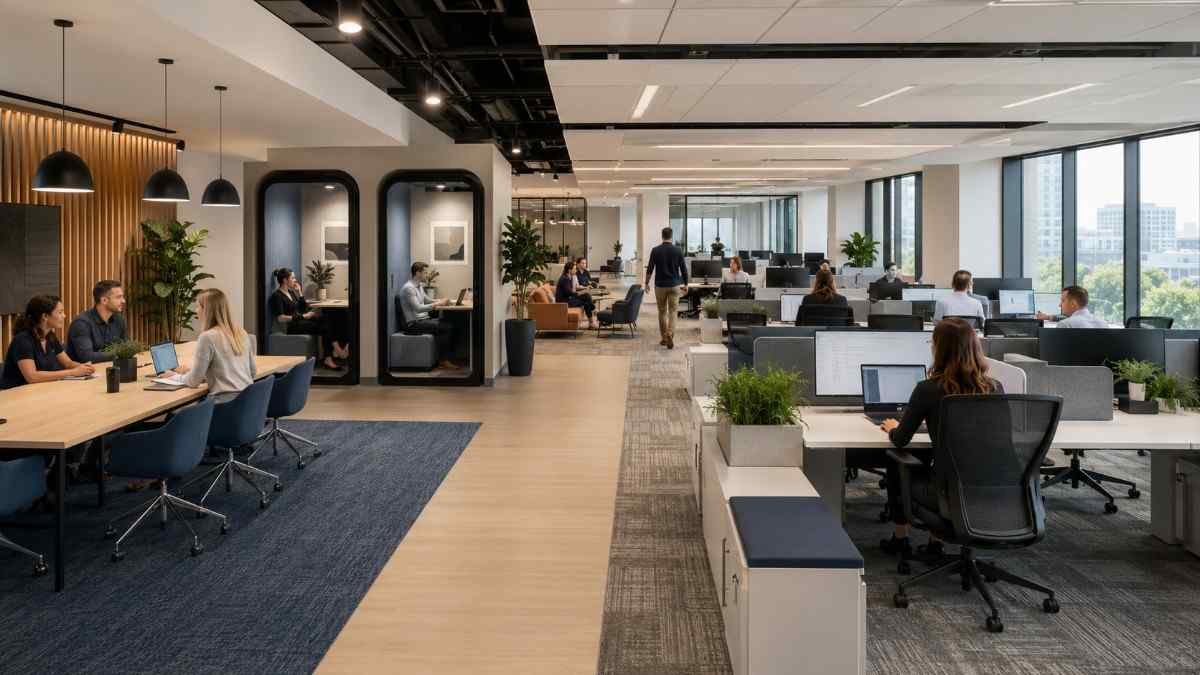
Scaling a business is an incredibly exciting phase, but it brings a unique set of logistical challenges. In the early days, a company can easily get by on passion, makeshift desks, and a highly fluid workspace layout. However, as the headcount increases, client demands grow, and daily operations become more complex, those initial setups begin to buckle under the pressure.
Many business owners focus their growth strategies entirely on hiring more talent, updating software, or expanding marketing budgets. While those investments are crucial, they often overlook a fundamental asset that drives daily momentum: the physical office environment. Upgrading your workspace infrastructure is the critical pivot that allows an expanding team to transition from survival mode into sustainable, high-output productivity.
The Operational Strain of an Outgrown Floor Plan
When a business grows faster than its physical environment, the daily workflow begins to suffer. Cubicles become overcrowded, meeting rooms are constantly booked solid, and the ambient noise level rises to a point where deep, focused work becomes nearly impossible. This spatial friction leads to subtle but costly inefficiencies.
An outdated office layout forces employees to constantly compromise. Teams that need to collaborate closely find themselves separated by walls, while individuals requiring quiet spaces for analytical work are forced to sit next to bustling common areas. Recognizing when your physical footprint is bottlenecking your team’s potential is the first step toward building a scalable corporate culture.
Balancing Collaboration and Individual Deep Work
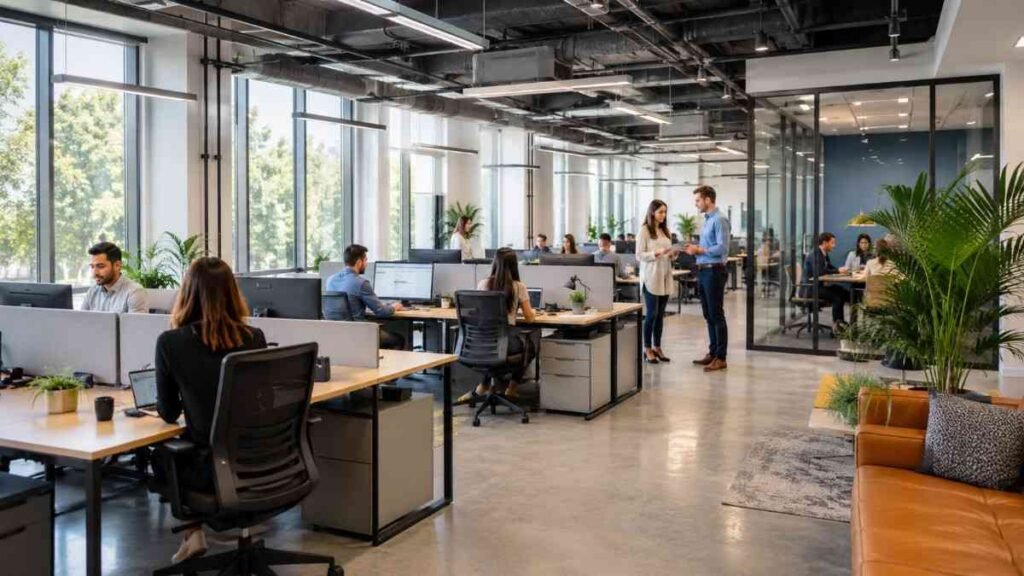
Modern business demands a delicate balance between open communication and isolated focus. The classic open-office trend promised ultimate collaboration but often delivered constant distraction. Conversely, old-school high-walled cubicles can isolate workers and stifle creative cross-talk.
A successful workspace upgrade introduces a hybrid structural approach. By creating distinct, dedicated zones within the office, you cater to the natural rhythm of a productive workday. Open collaborative tables encourage quick brainstorming sessions, while acoustically insulated quiet pods allow engineers, writers, and accountants to dive into complex tasks without interruption. This thoughtful zoning ensures that growth doesn’t come at the cost of concentration.
Smart Asset Allocation for Rapidly Scaling Teams
Expanding your operational footprint requires careful capital management. Spending a massive portion of your growth budget on brand-new, ultra-luxury fixtures can restrict the cash flow needed for hiring and product development. Smart scaling is all about finding high-quality, durable solutions that preserve your bottom line.
To maximize capital efficiency during an expansion, many savvy operational managers choose to source premium used office furniture in Salt Lake City. Integrating high-grade pre-owned modular systems allows a business to deploy professional-grade, ergonomic desks and storage units at a fraction of retail cost. This sustainable approach allows you to completely revitalize your layout and accommodate new hires without taking on unnecessary financial strain.
Ergonomics as a Tool for Employee Retention
As a company expands, maintaining high employee morale and reducing burnout becomes a top priority. A workspace that causes physical discomfort—whether through unsupportive chairs or desks at awkward heights—directly contributes to worker fatigue and absenteeism.
Upgrading to ergonomic office assets sends a clear signal to your team that their health and well-being are valued. Adjustable task chairs, sit-to-stand desks, and proper monitor placement reduce the physical toll of long desk shifts. When employees are physically comfortable, their mental stamina increases, their focus sharpens, and they are far more likely to remain engaged and loyal to the organization over the long term.
Future-Proofing Your Space for Tomorrow’s Demands
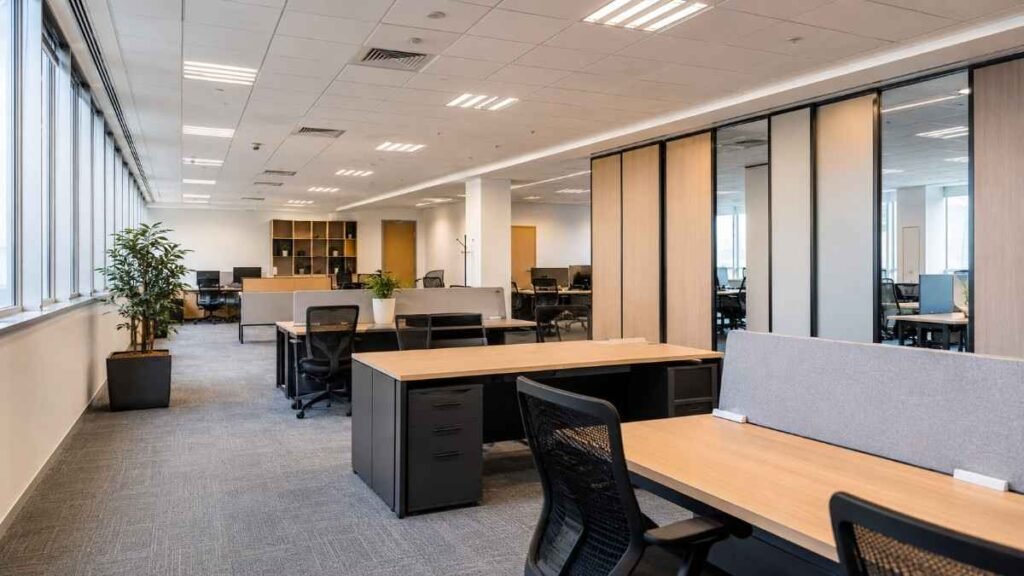
True business growth is rarely linear. A department that requires four people today might expand to a team of twelve by next year. Therefore, a successful physical upgrade must be rooted in adaptability. Fixed, immovable structures limit your ability to pivot when market conditions change.
Utilizing modular furniture systems and flexible layouts ensures your office can evolve alongside your business model. Demountable partitions, rolling storage units, and easily reconfigurable desk clusters allow you to reshape a room over a single weekend. This built-in agility ensures that your workspace remains an asset that accelerates your growth, rather than a rigid constraint that holds you back.
Conclusion
Upgrading a growing business is about far more than just adding more chairs to a room; it is about intentionally designing an ecosystem where human potential can thrive. By optimizing your floor plan, balancing collaboration with privacy, and choosing adaptable modular systems.
You create a physical foundation capable of supporting your company’s loftiest ambitions. Your office is the physical manifestation of your company’s mission—ensuring it evolves alongside your team is an investment that pays dividends in focus, health, and operational excellence.