
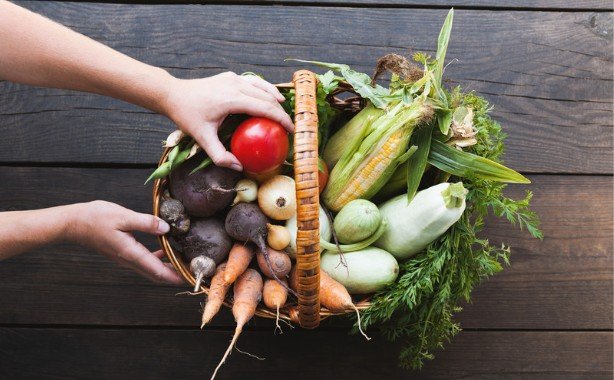
Unlock the secrets to a vibrant garden all year long. Understanding the rhythm of the seasons is the key to successful planting. This guide provides essential insights and practical tips to help you cultivate a flourishing outdoor space, maximizing blooms and harvests in every season—from spring preparation to winter protection.
Spring: A Season of New Beginnings
Spring is when the garden wakes up, and so does the work. Getting a strong start sets the tone for the entire growing year.
Preparing Your Garden for Spring
Before planting a single seed, your soil needs attention. Work in compost or aged manure to replenish nutrients lost over winter. Break up compacted areas, remove any debris left from the colder months, and test your soil’s pH if you haven’t done so recently.
A well-stocked toolkit also makes a difference. Ensure your trowels, pruners, and hoes are clean and sharp. Early season is also the best time to apply a layer of mulch to suppress weeds before they take hold, saving you hours of labor down the track.
Spring Planting Essentials
Cool-season vegetables like lettuce, spinach, peas, and broccoli can go into the ground as soon as the soil is workable. If you’re buying houseplants in Salt Lake City or sourcing plants from a local nursery, spring is the ideal time to browse cool-season selections and get them established before the heat arrives.
For flowers, consider a mix of annuals for immediate color and perennials for long-term structure. Trees and shrubs planted in spring benefit from a full growing season to establish their root systems. If you’re starting from seed, note that some plants—like tomatoes and peppers—need a head start of four to six weeks before the last frost date in your area.
Summer: Cultivating Growth and Abundance

Summer shifts the focus from planting to maintaining. Heat, pests, and dry spells all test your garden’s resilience, but the rewards are well worth it.
Mid-Season Garden Care
Consistent watering is essential during summer. Deep, infrequent watering encourages roots to grow downward, making plants more drought-tolerant. Drip irrigation or soaker hoses are efficient options that deliver water directly to the root zone and reduce evaporation.
Fertilizing every three to four weeks keeps flowering plants and vegetable beds productive. Use a balanced, slow-release formula for most plants, or opt for a high-potassium feed for fruiting crops. Deadheading spent blooms on roses, zinnias, and dahlias prolongs flowering through the season, while light pruning of overgrown shrubs maintains shape and airflow.
Summer Stars: Plants That Thrive
Heat-loving plants shine in summer. Sunflowers, marigolds, and ornamental grasses are reliable performers that tolerate high temperatures without losing their appeal. For the vegetable garden, tomatoes, zucchini, cucumbers, and basil are warm-season staples that hit their stride in the heat, while understanding the applications of adjustable paving support systems can help create stable, functional garden paths and patio areas.
Watch for common summer challenges: aphids, spider mites, and powdery mildew can spread quickly in dry, warm conditions. Catching these problems early—through regular inspection and prompt treatment—keeps them manageable without resorting to heavy chemical intervention.
Autumn: Preparing for Winter’s Rest
Autumn is a dual season in the garden. It’s a time to harvest the fruits of your labor while simultaneously laying the groundwork for next year’s success.
Fall Garden Tasks
As temperatures drop, prioritize harvesting any remaining vegetables before the first frost. Root vegetables like carrots and parsnips can often stay in the ground a little longer, as cooler temperatures improve their flavor. Once beds are clear, remove dead plant material and diseased foliage to reduce the risk of pests and pathogens overwintering in your garden.
Tender perennials and container plants should be moved indoors or insulated with frost cloth as nighttime temperatures begin to fall. Apply a thick layer of mulch around the base of borderline-hardy plants to protect their roots from freeze-thaw cycles.
Planting for Next Year
Autumn is one of the best—and most underutilized—planting windows of the year. Spring-blooming bulbs like tulips, daffodils, and alliums need to go in the ground in fall to deliver their show six months later. This is also an excellent time to divide overgrown perennials and transplant shrubs, as cooler conditions reduce transplant stress.
Cover crops such as clover or winter rye can be sown in empty beds to protect the soil, suppress weeds, and add nitrogen before being turned under in spring.
Winter: Planning and Protection
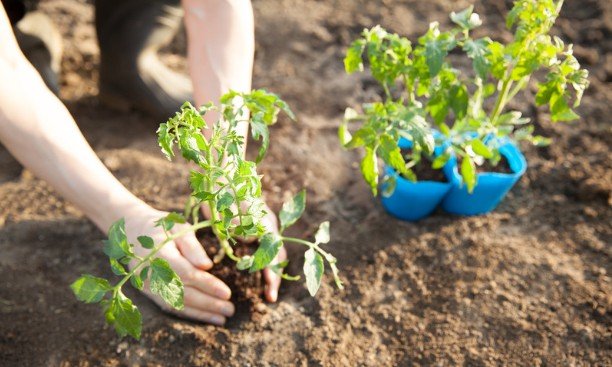
Winter may look like the garden’s downtime, but it’s one of the most productive seasons for a thoughtful homeowner.
Winter Garden Protection
Frost protection is the primary concern. Use burlap wraps, frost cloth, or cold frames to shield vulnerable plants from harsh temperatures. Potted plants are particularly at risk since their roots lack the insulation of in-ground soil—move them to a sheltered spot like a garage or unheated greenhouse.
Indoor plants need attention during winter, too. Reduced light and dry indoor air from heating systems can stress houseplants. Move them closer to windows, reduce watering frequency, and consider a humidifier or pebble tray to maintain moisture levels. Keep an eye out for indoor pests like fungus gnats and scale insects, which thrive in warm, dry conditions.
Planning for the Next Season
With the garden resting, winter is the ideal time to evaluate what worked and what didn’t. Look back at any notes or photos from the past year. Which areas underperformed? Where could better plant selection or layout improve results?
Sketch out new garden layouts, research varieties suited to your climate, and order seeds and supplies early. Popular varieties frequently sell out before spring, so getting your orders in during winter gives you the best selection. Planning now means you hit the ground running when the first warm days arrive.
Conclusion
Mastering seasonal planting is an ongoing process, one that rewards patience, observation, and a willingness to adapt. Each season builds on the last, and over time, you’ll develop an intuitive sense of what your garden needs and when.
From the first cool-season crops of spring to the quiet preparation of winter, every stage of the gardening calendar offers something valuable. Follow this guide as a starting point, stay curious, and let each growing season teach you something new about the land you tend.