
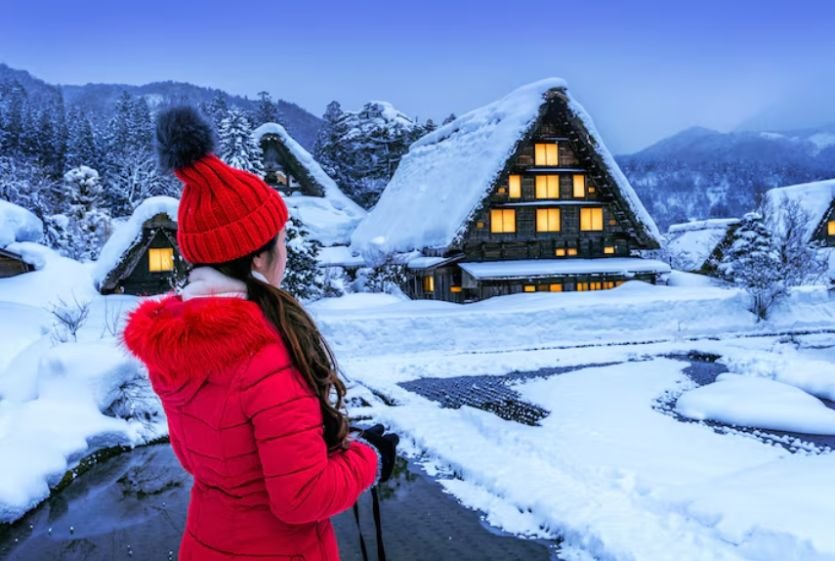
When travelers arrive at premium winter destinations, they expect pristine mountain landscapes, reliably groomed alpine runs, and cozy base villages. To the casual visitor, the seamless operation of a major alpine resort during a freezing blizzard seems like a natural outcome of seasonal weather.
However, the reality behind winter tourism is fundamentally industrial. Beneath the thick layers of natural powder lies a vast, highly coordinated network of mechanical systems, fluid distribution infrastructure, and heavy engineering working continuously against sub-zero elements.
If a typical municipality faces a winter storm, the operational goal is temporary mitigation and clearing. For a premier winter destination, extreme cold and heavy snow are the core business environment. Managing these high-altitude, high-hazard landscapes requires moving past standard seasonal maintenance.
True operational resilience relies on deeply embedded, heavy-duty utility networks. By mastering the physics of pressurized fluid transport in sub-freezing zones, deploying automated climate-monitoring infrastructure, and reinforcing subterranean distribution lines, mountain facility engineers convert a volatile winter wilderness into a predictable, safe, and highly profitable economic engine.
1. The Complex Industrial Hydraulics of High-Altitude Snowmaking
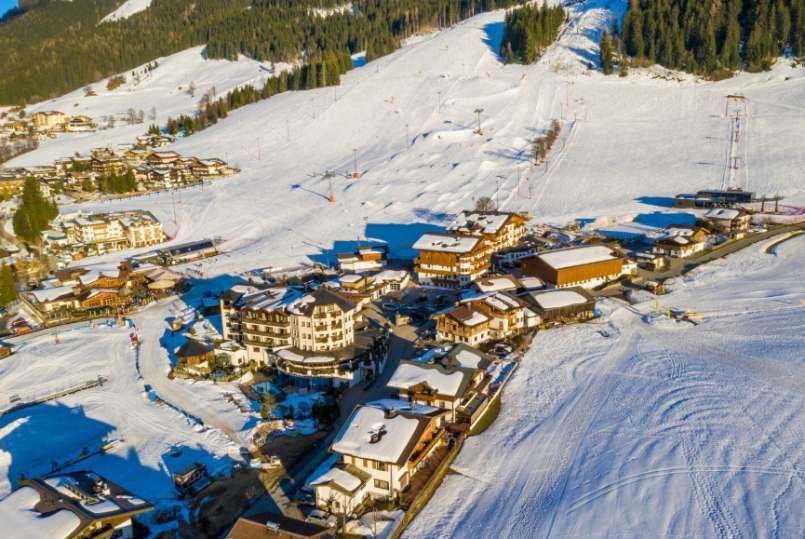
The most critical invisible asset of a modern winter resort is its subterranean snowmaking network. While natural snowfall is highly variable, commercial operations demand a guaranteed baseline of snow depth to protect both skiers and expensive grooming equipment.
For travelers comparing seasonal escapes and the best places to travel in February, these behind-the-scenes snowmaking systems are often what make winter destinations reliable, safe, and visitor-ready.
To achieve this, resorts construct extensive industrial pumping systems capable of pushing millions of gallons of water up thousands of vertical feet.
This process requires a precise combination of extreme hydraulic pressure and thermodynamic control. Water is pulled from specialized low-altitude retention reservoirs and forced through heavily insulated mountain pipelines at pressures exceeding 500 PSI.
At the terminal snow guns, this pressurized water is mixed with highly compressed air to atomize the fluid into microscopic droplets, which freeze instantly upon contact with the atmosphere.
The entire network must maintain a continuous, turbulent flow velocity; if the water stops moving for even a short duration within the high-altitude pipelines, the fluid will freeze solid, fracturing the lines and causing catastrophic structural failures that can shut down entire mountain faces for the season.
2. Fortifying Subterranean Utilities Against Geothermal Frost Heaves
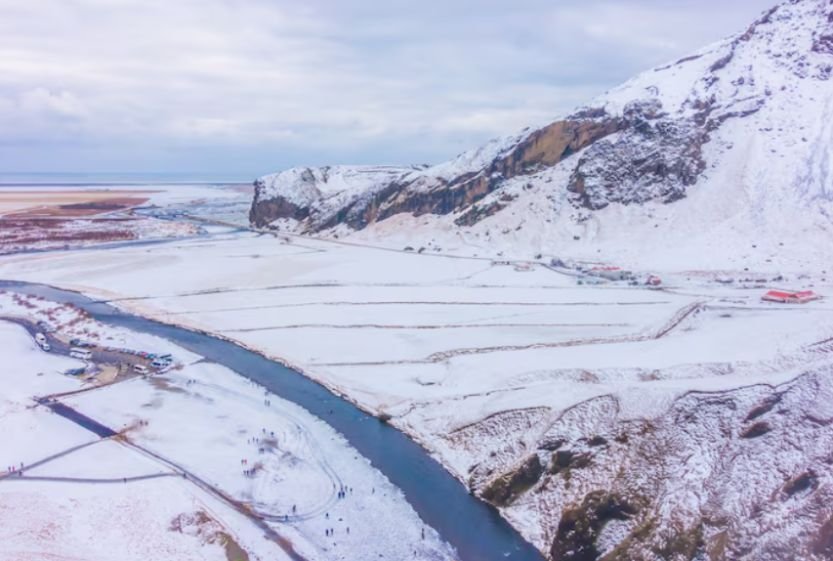
Burying utility lines in alpine environments introduces severe mechanical stresses that standard commercial installations never encounter.
As the ground freezes and thaws throughout the changing seasons, the surrounding soil undergoes violent expansion and contraction cycles known as frost heaves. These shifting subterranean forces can easily shear, bend, or disconnect standard utility connections.
To safeguard these vital corridors, mechanical contractors must source heavy-walled, high-tensile piping components designed to withstand intense external loads.
Engineering resilient infrastructure in regions known for extreme mountain climates requires deep integration with top-tier industrial supply chains.
Sourcing components from a certified industrial piping supply in Utah allows alpine developers to implement seamless carbon steel, heavy-duty welded alloy steels, and advanced low-temperature impact-resistant lines.
These robust piping systems are laid out with specialized flexible expansion joints and wrapped in high-density polyurethane insulation barriers.
This precise engineering ensures that critical water, communication, and power conduits remain completely stabilized despite the crushing, shifting movements of the frozen mountain earth.
3. Hydronic Heating Loops and Village Pedestrian Safety
The engineering marvels of winter destinations extend beyond the ski slopes and directly into the architecture of the base villages.
To maintain safe pedestrian thoroughfares without relying on corrosive chemical de-icers or constant manual snow scraping, resorts integrate extensive hydronic snow-melting systems directly into the concrete walkways, plazas, and stairs.
These systems operate as massive, closed-loop heat exchangers buried beneath the stone pavers. A centralized mechanical plant heats a specialized mixture of water and non-toxic propylene glycol to approximately 110°F.
This heated solution is continuously pumped through miles of cross-linked polyethylene tubing embedded in the concrete slabs.
As snow falls, the radiant heat melts the flakes instantly upon contact, and the resulting runoff is guided into specialized, insulated storm drainage systems before it can freeze into slick sheets of black ice.
This automated thermal barrier drastically reduces slip-and-fall liabilities, protects local watersheds from salt contamination, and ensures a clean, hospitable environment for guests.
4. Avalanche Mitigation and Remote Pneumatic Systems
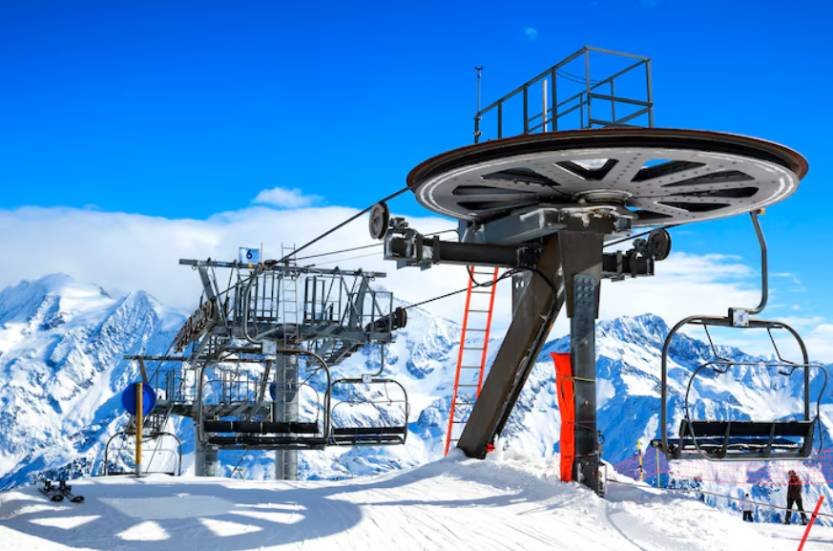
High-output preparation also involves active structural defense against the threat of natural avalanches.
Just as travelers may research is Vietnam safe to travel before planning an international trip, winter visitors also depend on destination-level safety systems that protect them from mountain-specific hazards.
In past decades, ski patrols relied almost exclusively on manually placing explosive charges to trigger controlled, early-stage slides.
Today, modern resorts protect their boundaries using fixed, automated avalanche mitigation systems anchored directly to high-altitude ridge lines.
These remote systems, often referred to as gas exploders, utilize specialized subterranean piping lines to deliver controlled mixtures of oxygen and propane to a rugged explosion chamber mounted high above dangerous slide paths.
When a storm creates unstable snow loading, safety teams can trigger the system remotely from a central control room. The resulting controlled concussion waves safely fracture the unstable upper snowpack before it can accumulate into a life-threatening slide event.
By enclosing these gas distribution networks in heavy, armored steel piping, facility teams ensure the ignition gases remain safely contained and perfectly pressurized, even when exposed to severe wind loading, shifting ice sheets, and extreme sub-zero alpine temperatures.
Conclusion
The seamless operation of a world-class winter destination is an impressive feat of heavy industrial engineering and meticulous mechanical preparation.
It is a calculated triumph achieved by replacing vulnerable surface operations with robust subterranean snowmaking networks, fortified utility piping lines, hidden hydronic heating loops, and automated high-altitude safety defense systems.
By investing in resilient, industrial-grade mechanical infrastructure, winter resorts successfully insulate their operations from the destructive forces of extreme mountain weather.
Ensuring that these heavy-duty networks function flawlessly behind the scenes transforms a volatile, freezing wilderness into a highly structured, incredibly resilient sanctuary of absolute operational safety, structural clarity, and uncompromised human protection.