
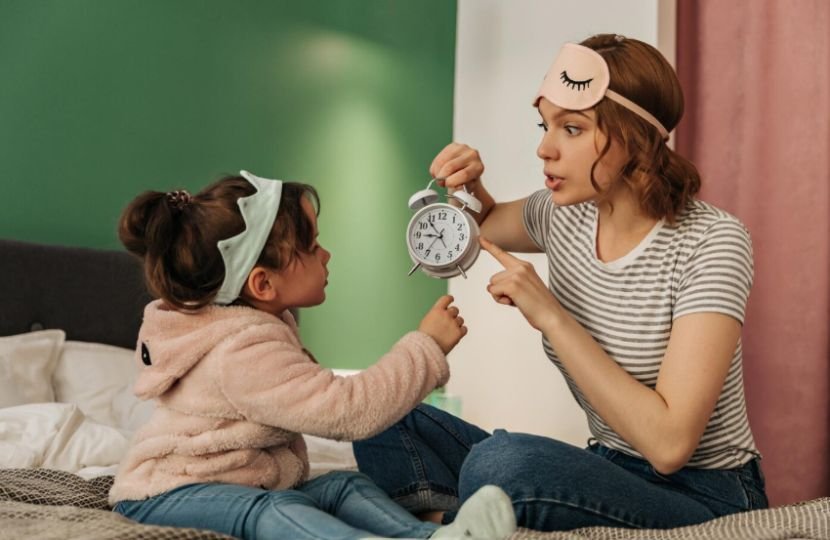
If you’ve ever read the same picture book to a toddler for the hundredth time, you already know something researchers spend their careers proving: little kids love repetition. It isn’t a quirk to wait out.
That sameness, and the steady routines wrapped around it, is one of the main ways a young child’s brain figures out how the world works.
Why Predictability Feels Like Safety to a Small Child
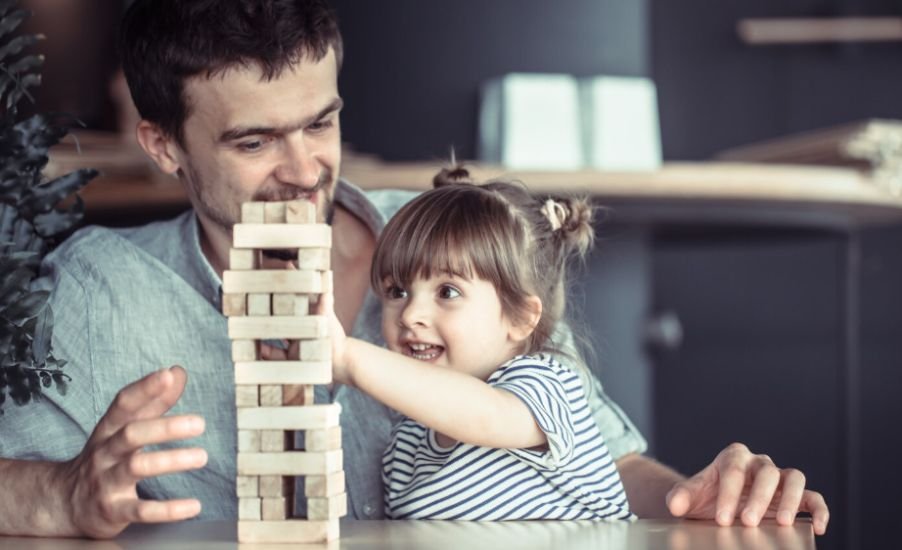
Put yourself in a toddler’s shoes for a second. The world is enormous, loud, and almost entirely out of your control. You can’t tell time, you don’t run the schedule, and big things just happen to you without warning. A predictable routine is the antidote to all of that.
When parents are managing daily care, work pressure, and home responsibilities, understanding the struggles of stay-at-home dads can also show why steady family routines matter for both children and caregivers.
When a child knows a snack comes after a morning circle, and a story comes before a nap, the day stops feeling like a string of surprises and starts feeling safe.
And here’s the piece that matters most for learning: a brain that feels safe is free to explore. A child who’s bracing for the unknown burns energy on worry.
A child who knows what’s coming spends that same energy on curiosity, language, and play instead. Routine doesn’t box kids in. It frees them up.
What Repetition Is Actually Doing to the Brain
Practice Wires the Pathways
Every time a child repeats something, whether it’s a song, a hand-washing sequence, or a brand-new word they’re trying on, they strengthen the neural pathway that action runs on. The first try is shaky.
The fifth is smoother. By the twentieth it’s nearly automatic, which frees the brain to stack something new on top. It’s the same reason an adult can drive and hold a conversation at once.
The basics have gone automatic. For little ones, almost everything is still being wired, so they repeat constantly, and they’re supposed to.
This is also why a skill can look solid one week and wobbly the next. A pathway that gets used keeps getting reinforced, while one that goes quiet for a stretch fades a little. Repetition isn’t only how kids pick things up. It’s how they hold on to them.
Why the Same Book, Forty Times in a Row
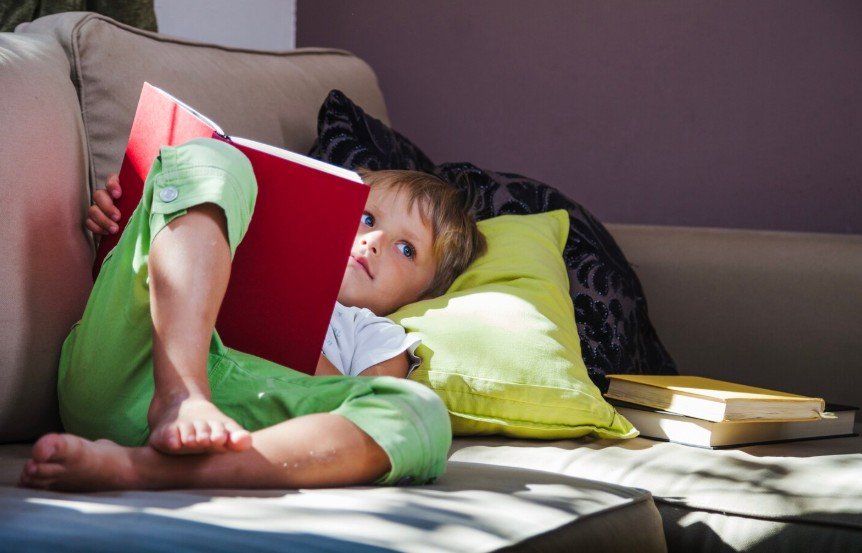
That beloved, exhausting habit of demanding the exact same story every single night? It isn’t stubbornness. Each reading lets a child catch something they missed the time before: a new word, the rhythm of a sentence, what happens next and why it happens.
The predictability of the story is what lets them zero in on the details. Eventually they “read” it back to you from memory, which is a real early-literacy milestone hiding inside what felt to you like a rut.
The Hidden Lessons Inside a Daily Routine
A First Sense of Time
Young kids can’t read a clock, but a routine hands them a working version of time. First we do this, then that, then the next thing.
Learning that events happen in an order, and that one thing leads to another, quietly lays the groundwork for sequencing, cause and effect, and eventually the kind of logic that reading and math lean on.
This is also why Montessori parenting at home often focuses on predictable routines, child-led practice, and simple daily tasks that help kids build confidence through repetition.
Independence, One Step at a Time
When the steps stay the same, kids start running them on their own. Hang up the coat, wash hands, find a seat.
A child who has moved through that sequence fifty times doesn’t need a grown-up narrating it anymore, and that little bit of ownership is huge for confidence.
Independence doesn’t get installed in a single pep talk. It gets built through repetition, until “I can do it myself” is simply true.
When the Routine Feels Boring (to You, Not Them)
Worth saying out loud: routines can feel monotonous to the adults running them. The same songs, the same snack, the same goodbye ritual at the door, day after day.
But what reads as dull to a grown-up reads as reassuring to a two-year-old.
The move that good caregivers rely on is variation inside structure. The schedule holds steady while the content shifts. Same circle time, different song. Same art block, new materials.
Kids get the security of a familiar frame and the spark of something fresh inside it.
How Routine Eases the Hardest Moments
Drop-off, transitions, the wobble right before nap. These are exactly where routine quietly earns its keep. A consistent goodbye ritual, the same few words and the same quick hug, tells an anxious child that this is normal and you are coming back.
Transitions that get signaled the same way every time give kids a heads-up instead of a jarring yank from one thing to the next. The hard moments don’t disappear, but they shrink a lot when a child can see them coming.
A simple five-minute warning before cleanup, the same little song to signal it’s time to wash up, a familiar book that always means nap is near. Small, repeated cues like these do the heavy lifting that pleading and bargaining never will.
What This Looks Like in a Good Program
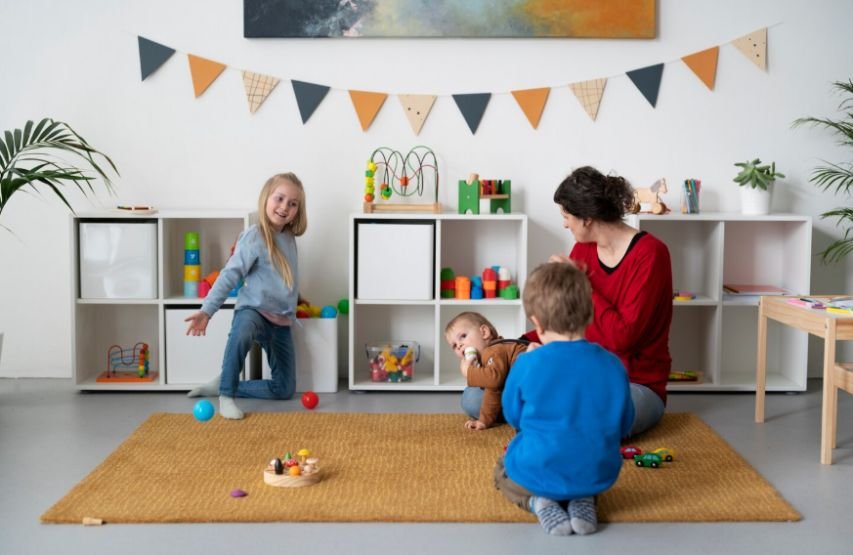
When you’re weighing options for child care in Sandy, ask how a typical day actually flows. A strong program runs on a predictable daily rhythm, with arrivals, circle, play, snack, and rest landing in roughly the same order every day.
Watch for that mix of consistency and gentle variety, the steady frame with fresh content tucked inside it. Notice whether the staff narrate the routine for the kids and let them practice the steps themselves.
A consistent routine run by experienced caregivers gives little ones the security to actually learn, instead of spending the whole day guessing what comes next. If you tour the program, ask to see the daily schedule posted on the wall, because the good ones tend to be proud of it.
Conclusion
What looks like plain old repetition to us is a young child quietly building the scaffolding for everything else. Routine makes them feel safe enough to learn, and repetition turns shaky new skills into automatic ones.
Pick a setting that honors that rhythm, and you’re handing your little one the steady ground they need to grow.