
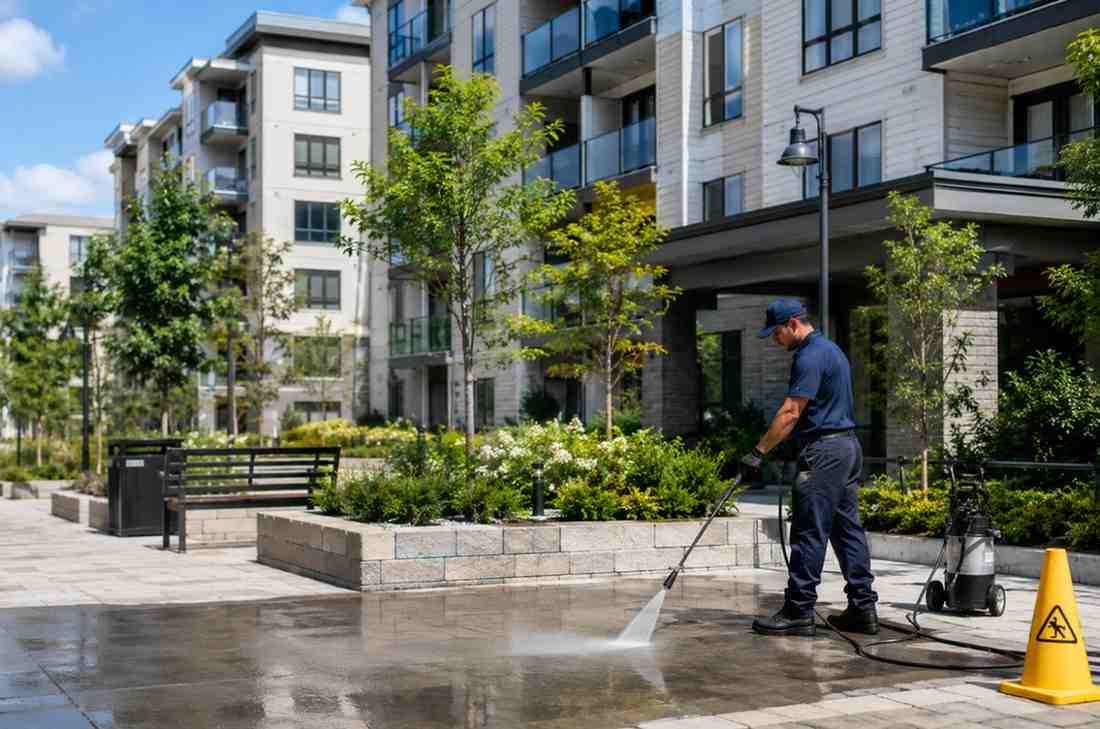
Strata cleaning is a specialised service designed to maintain the cleanliness and hygiene of common areas within multi-unit residential and commercial properties. As strata properties collectively owned by residents or leaseholders, these buildings require a coordinated cleaning approach to ensure all communal spaces remain safe, attractive, and well-maintained.
This guide provides a detailed overview of strata cleaning services, highlighting their importance, typical scope, and the benefits management committees and residents can expect. Property managers seeking reliable solutions will benefit from understanding the key components and industry standards of strata cleaning.
What is Strata Cleaning?
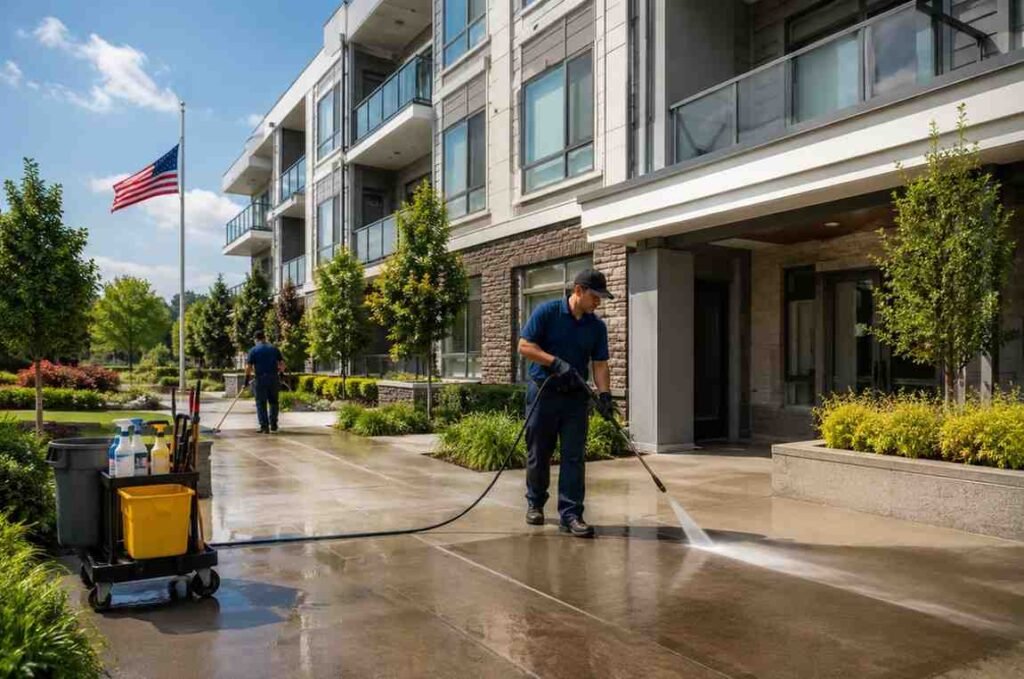
Strata cleaning refers to the comprehensive cleaning and upkeep of shared areas in strata-titled properties. Unlike individual unit cleaning, strata cleaning targets spaces such as lobbies, hallways, stairwells, lifts, car parks, gardens, and external facades. These communal zones require regular attention to uphold the property’s overall appearance and safety standards.
Effective strata cleaning combines routine maintenance with periodic deep cleaning tasks, ensuring that the environment remains welcoming and compliant with health and safety regulations. This service is typically coordinated through the strata management or owners’ corporation and delivered by professional cleaning contractors experienced in dealing with strata properties.
Importance of Strata Cleaning
Strata cleaning plays a vital role in preserving the value and liveability of a property. Clean common areas improves resident satisfaction and can significantly enhance marketability. It also helps reduce the deterioration of surfaces and fixtures, ultimately lowering long-term maintenance costs.
Moreover, regular cleaning minimises the risk of accidents by addressing hazards such as slippery floors or obstructed pathways. It also contributes to a healthier environment by reducing dust, mould, and allergens in shared environments.
Key Areas Included in Strata Cleaning
The scope of strata cleaning can vary, but commonly includes the following areas:
- Entrance foyers and reception areas
- Lifts and lift lobbies
- Corridors and stairwells
- Balconies and verandahs in communal areas
- Garages and car parks
- External windows and facades
- Garden and landscaping maintenance
- Waste disposal areas and bins
- Common laundry areas
Each of these areas requires different cleaning techniques and frequencies, which professional strata cleaning services can tailor to the property’s specific needs.
Professional Strata Cleaning Providers
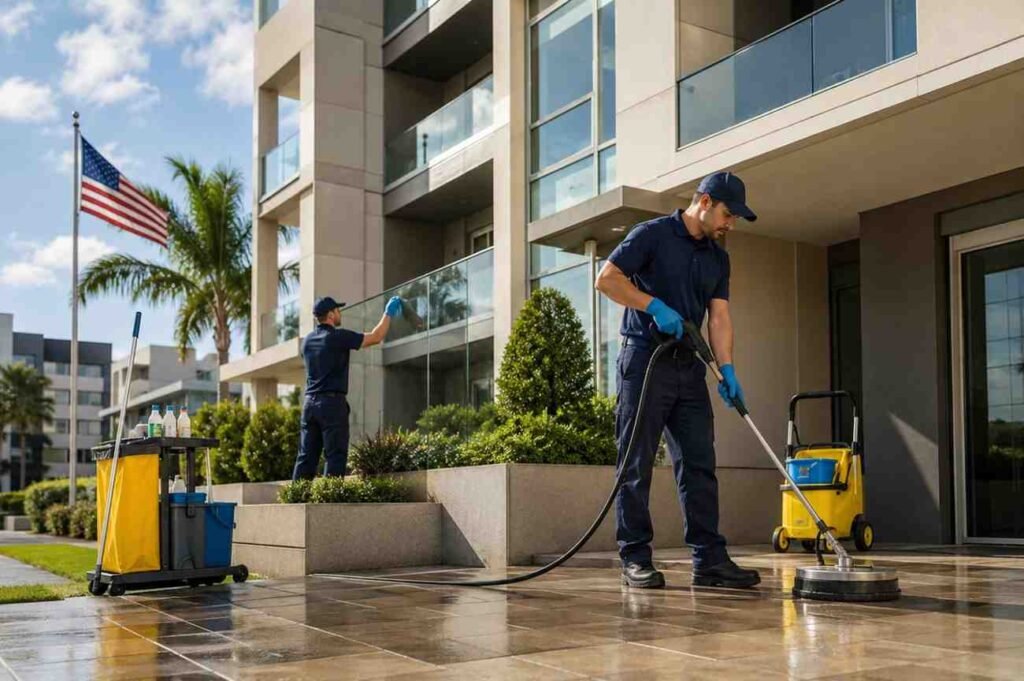
Engaging a professional company specialising in strata cleaning is essential for effective service delivery. These companies offer trained staff familiar with strata requirements, appropriate equipment, and eco-friendly cleaning products.
Experienced providers help in developing customised cleaning plans, including scheduled tasks and reporting procedures. This ensures transparency and allows property managers to monitor service quality efficiently.
Benefits of Outsourcing Strata Cleaning
Outsourcing strata cleaning offers multiple advantages. Professional companies have access to specialised equipment that enhances cleaning efficacy, such as high-reach window cleaning tools and industrial-grade floor scrubbers. Coordinated labour resources enable them to cover large complexes swiftly and thoroughly.
Additionally, outsourcing reduces administrative burdens on strata committees, as the cleaning provider manages staff, supplies, and compliance with relevant regulations.
Frequency and Scheduling of Strata Cleaning
The frequency of strata cleaning services depends on factors such as building size, occupant numbers, and usage patterns. High-traffic areas like entrance halls or lifts may require daily cleaning, while less frequented zones might be maintained weekly or monthly.
Periodic deep cleaning tasks, such as carpet steam cleaning or window washing, are typically scheduled quarterly or biannually. Professional strata cleaning companies assist in determining optimal schedules to balance cleanliness and budget considerations.
Health and Safety Considerations
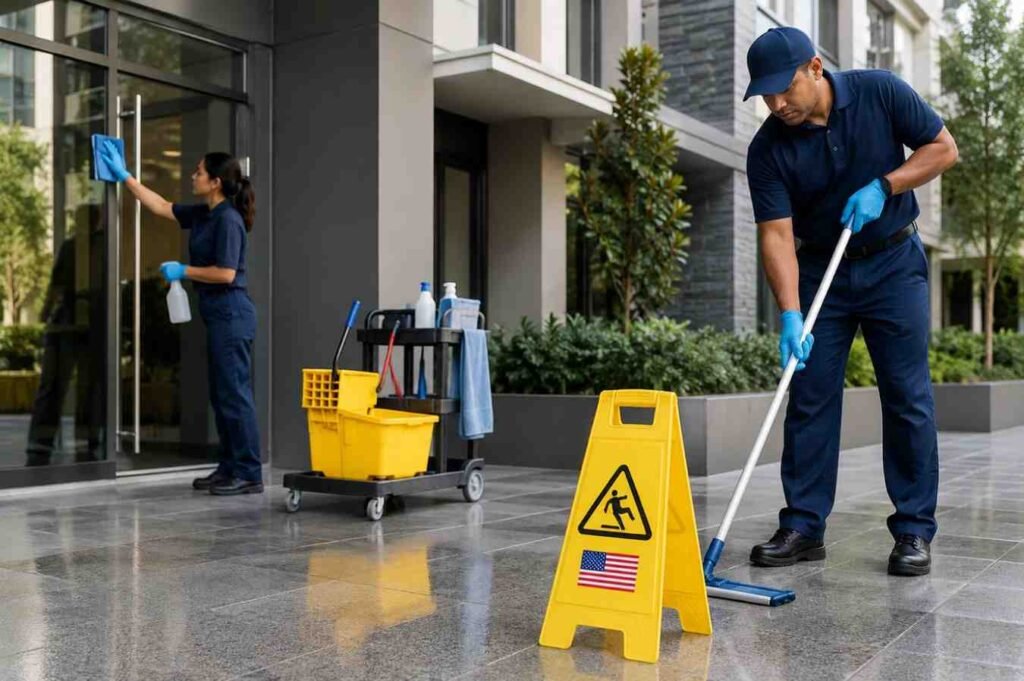
Strata cleaning providers must comply with occupational health and safety standards to protect workers and residents. This includes using non-toxic cleaning agents where possible, ensuring proper signage during wet-floor cleaning, and adhering to fire safety codes when handling waste.
These companies also carry public liability insurance, tools for efficient construction, and provide peace of mind to strata committees that any mishaps during cleaning will be appropriately managed.
Environmental Responsibility in Strata Cleaning
Modern strata cleaning services increasingly incorporate environmentally sustainable practices. This includes using biodegradable and non-toxic cleaning products, implementing waste recycling programs, and reducing water and energy consumption during service delivery.
Such initiatives align with broader environmental targets, many property owners now prioritise and contribute positively to the property’s reputation.
Cost Considerations
Strata cleaning costs vary widely based on property size, service scope, and frequency. Most providers offer customised quotes after site inspections to ensure accurate pricing.
While budget constraints may tempt some committees to reduce cleaning services, it is important to consider the long-term savings associated with regular maintenance versus the expense of repairs caused by neglect.
Selecting a Strata Cleaning Provider
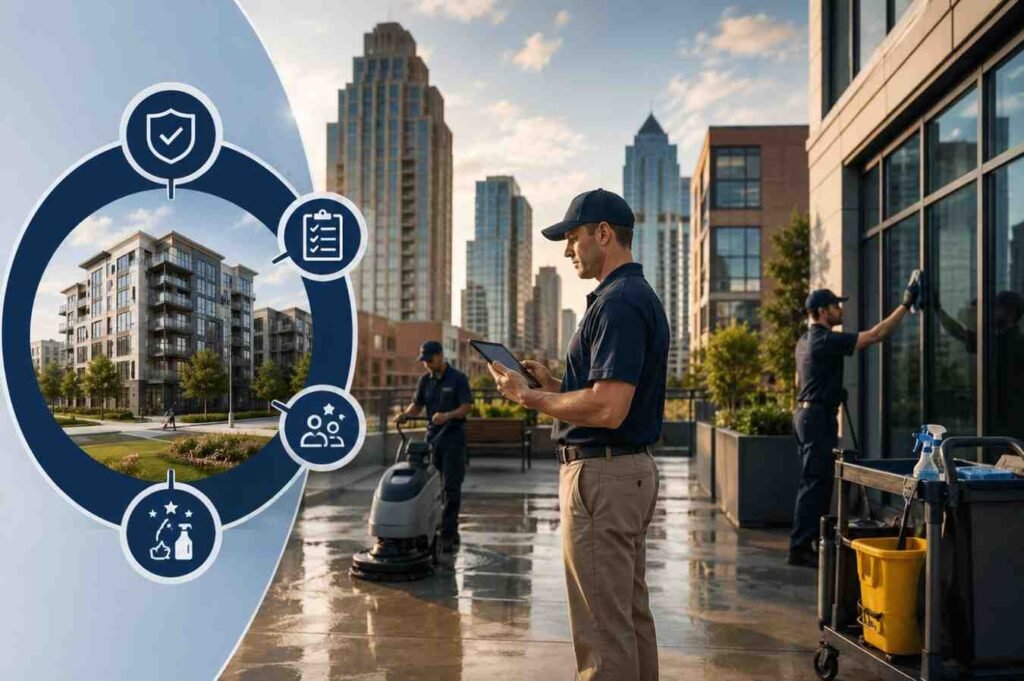
When choosing a strata cleaning company, it is advisable to evaluate their experience, client references, service flexibility, and responsiveness. A reputable provider will be transparent about their cleaning methods, scheduling, and pricing structures.
Communications should be clear and ongoing, ensuring the provider can adapt services as building requirements evolve.
Technology in Strata Cleaning
Advances in cleaning technology improve the effectiveness and efficiency of strata cleaning. For example, the use of powered scrubbers, water-fed pole window cleaning systems, and automated scheduling software allows providers to deliver superior results.
Technology also facilitates better tracking of completed tasks and performance monitoring, supporting accountable service delivery.
Legal and Regulatory Compliance
Strata cleaning providers must ensure compliance with various local regulations, including waste disposal, hazardous materials handling, and workplace safety legislation. This compliance protects the property from legal risks and promotes good practice within the sector.
Case Studies and Testimonials
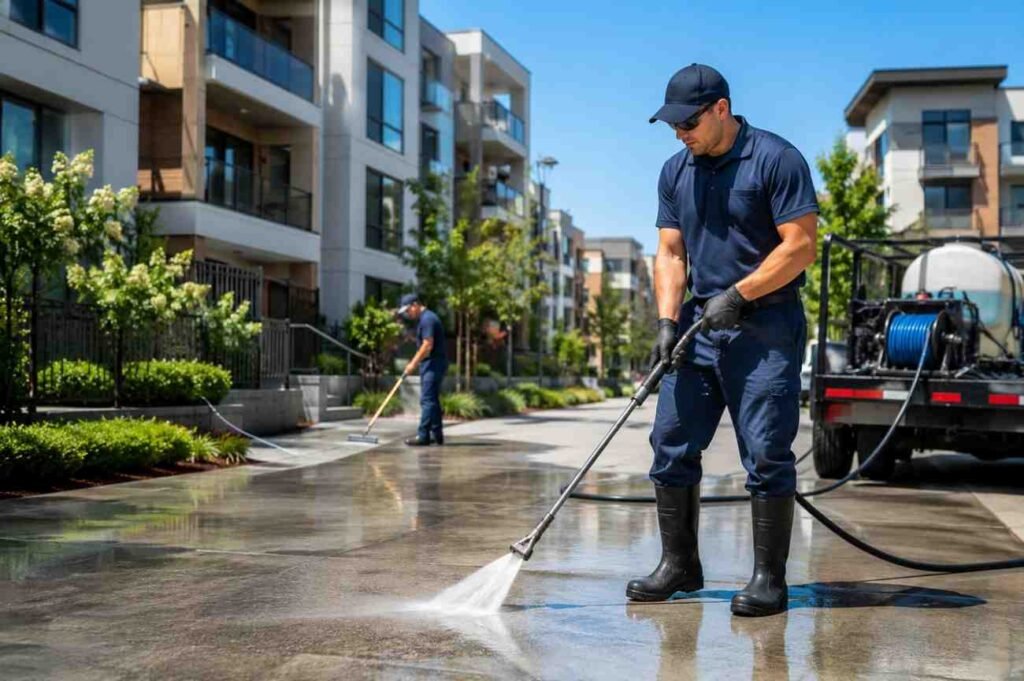
Properties that maintain regular strata cleaning have noted improvements in resident satisfaction and property values. Testimonials from satisfied management committees highlight the importance of professional services in achieving consistently high standards.
Case studies often demonstrate reductions in pest infestations, lower incident reports related to safety hazards, and enhanced building aesthetics following ongoing strata cleaning programmes.
Conclusion
Strata cleaning is a fundamental service for maintaining the shared spaces within strata properties and protecting the investment of all owners. By engaging professional providers with expertise in strata cleaning, tips for hiring strata managers can ensure that common areas remain clean, safe, and appealing.
Understanding the scope, standards, and benefits of these services allows committees and residents to make informed decisions that contribute to the long-term success of their property.